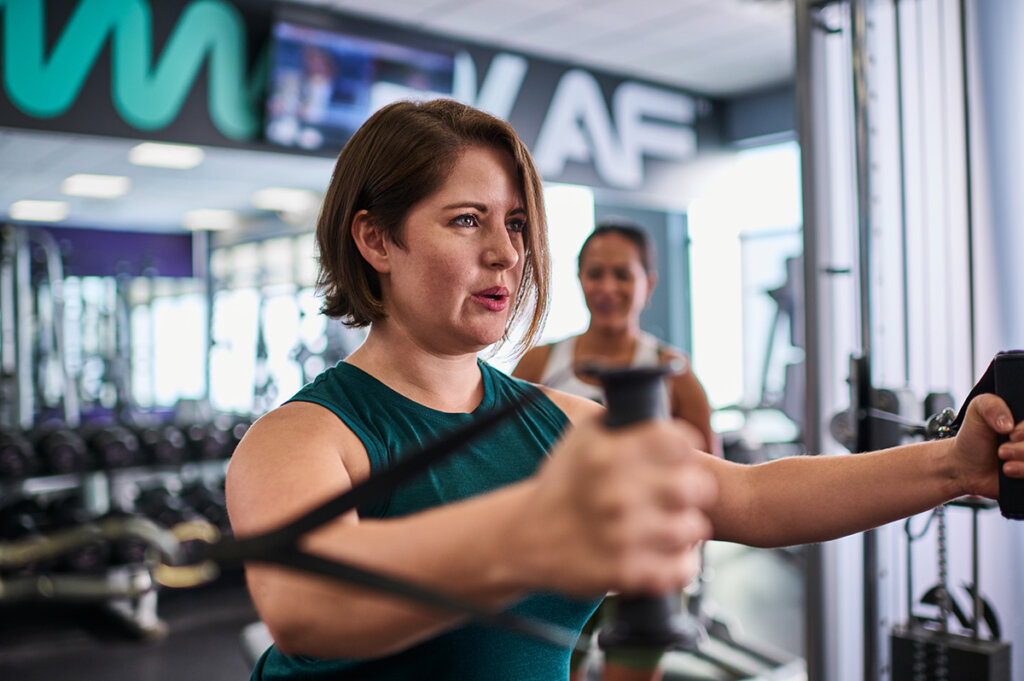
Fitness technology has exploded in popularity over the past decade. Wearable devices, smartwatches, heart rate monitors, and fitness apps promise unprecedented insights into our health and performance. Step counts, sleep patterns, calories burned, and even stress levels are tracked in real time, feeding a steady stream of data into cloud platforms designed to help users optimize their fitness journeys. At first glance, this always-connected approach seems wholly beneficial: it encourages consistency, motivates healthier habits, and provides a tangible record of progress. However, beneath the surface of convenience and self-optimization lie hidden costs that are rarely discussed. These costs span psychological,…
-
-
Introduction: More Than Just Running Miles Training for a first marathon is often imagined as a simple equation: run more, run longer, and eventually reach 42.195 kilometers. In reality, the marathon is as much a test of overall physical resilience as it is of cardiovascular endurance. First-time marathoners frequently discover that the challenge is not only sustaining pace over hours, but also keeping the body strong, balanced, and injury-free through months of preparation. Building the body of a marathoner requires a holistic approach that blends endurance training, strength development, mobility, and intelligent recovery. Without this foundation, enthusiasm can quickly turn…
-
In a world saturated with diet trends, superfoods, and meticulously calculated meal plans, it is easy to believe that success in nutrition depends on finding the perfect plan. Social media, fitness influencers, and even some health professionals often emphasize precision: exact macronutrient ratios, ideal meal timing, and flawless food choices. Yet for most people, this pursuit of perfection becomes a cycle of enthusiasm followed by burnout and abandonment. What ultimately determines long-term health, body composition, and overall well-being is not dietary perfection, but consistency. The human body responds far more reliably to repeated habits over time than to short bursts…
-
Introduction: More Than a Room Full of Weights Walk into a modern gym today and you are as likely to find a smoothie bar, coworking lounge, or recovery spa as you are a squat rack. Music hums with intention, lighting is carefully calibrated, and branding is as deliberate as the training programs on offer. This is a far cry from the gyms of the past, which were often dimly lit basements filled with iron plates, chalk dust, and an unspoken rule that only the toughest belonged. The evolution of training spaces reflects more than changes in equipment or architecture; it…
-
Sleep is one of the most powerful, underrated performance enhancers available to any athlete, yet it is often the first thing sacrificed in the pursuit of productivity, training volume, or social obligations. While many focus on nutrition, supplements, and exercise programming as the cornerstones of improvement, sleep quietly plays an equally—if not more—important role in determining how the body responds to physical stress. Strength, endurance, recovery, and long-term athletic progression all hinge on how well and how consistently an individual sleeps. Understanding the physiological and psychological consequences of inadequate sleep can help athletes make informed decisions that elevate performance and…
-
In recent years, there has been a significant surge in health awareness among young professionals, driven by a combination of cultural, social, and technological factors. Unlike previous generations, today’s young workforce is increasingly aware that maintaining physical and mental health is not just a lifestyle choice but a key component of long-term success and productivity. This shift is reflected in the notable rise in spending on fitness memberships, personal training, dietary supplements, and wellness technology. The modern workplace, with its high demands and often sedentary nature, has forced young professionals to take health into their own hands. Long hours at…
-
Understanding Gym Anxiety and Why It Happens Walking into a gym for the first time—or even the fiftieth—can feel like stepping onto a stage. The mirrors, the unfamiliar machines, the sound of weights clanging, and the presence of people who appear confident and experienced can trigger an overwhelming sense of self-consciousness. This is gym anxiety, sometimes called “gymtimidation,” and it is far more common than most people admit. Gym anxiety stems from a fear of being judged. People worry that others are scrutinizing their bodies, their technique, their strength, or their lack of knowledge. This fear is often amplified by…
-
Routine is often dismissed as mundane, repetitive, or overly rigid, yet in the context of high-level athletic training, it is a foundational tool for building confidence and consistency. Training camps for athletes across sports disciplines rely heavily on structured daily schedules, not simply to instill discipline, but to create a psychological framework that fosters mental resilience. Humans are creatures of habit, and athletes are no exception. When routines are strategically implemented, they can reduce cognitive load, eliminate unnecessary decision fatigue, and allow athletes to focus their energy entirely on performance. From a psychological standpoint, confidence is deeply tied to predictability…
-
Introduction: A New Landscape of Personal Fitness The world of personal fitness has changed more in the last decade than in the previous fifty years. What was once dominated by simple routines, paper logs, and the occasional heart-rate monitor has now transformed into a highly connected ecosystem of wearables, apps, and artificial intelligence. This technological evolution has reshaped how people train, how coaches design programs, and how progress is measured. Fitness is no longer confined to the gym or dependent on expert supervision; it is increasingly guided by intelligent systems capable of analyzing behavior, predicting needs, and responding in real…
-
In a culture that often celebrates “no pain, no gain,” pushing the body to its limits can feel like a badge of honor. Athletes, fitness enthusiasts, and even casual exercisers are constantly encouraged to do more, go harder, and train longer. While dedication and consistency are essential for physical progress, there is a fine line between productive training and chronic overload. When that line is crossed repeatedly without adequate recovery, the body and mind can enter a state known as overtraining syndrome. This condition is more than simple fatigue; it is a complex breakdown of physical, hormonal, and psychological systems…