
Introduction: More Than Just Running Miles
Training for a first marathon is often imagined as a simple equation: run more, run longer, and eventually reach 42.195 kilometers. In reality, the marathon is as much a test of overall physical resilience as it is of cardiovascular endurance. First-time marathoners frequently discover that the challenge is not only sustaining pace over hours, but also keeping the body strong, balanced, and injury-free through months of preparation. Building the body of a marathoner requires a holistic approach that blends endurance training, strength development, mobility, and intelligent recovery. Without this foundation, enthusiasm can quickly turn into frustration, sidelined by overuse injuries or burnout before race day arrives.

Understanding the Demands of the Marathon Distance
The marathon places unique stresses on the body. Each step sends impact forces through the feet, ankles, knees, hips, and spine, repeated tens of thousands of times. Muscles must contract rhythmically for hours, often while fatigued and depleted of energy. For first-timers, these demands are unfamiliar, and the body must adapt gradually. Endurance allows the heart and lungs to deliver oxygen efficiently, but muscular endurance ensures that form does not collapse late in the race. Structural strength, particularly in the lower body and core, helps absorb shock and maintain alignment. Understanding these demands is the first step toward training intelligently rather than simply accumulating mileage.
Building Endurance Without Breaking Down
Endurance training forms the backbone of marathon preparation, but it must be approached progressively. The body adapts to stress during recovery, not during the run itself. Gradual increases in weekly mileage allow bones, tendons, and connective tissue to strengthen alongside muscles and cardiovascular capacity. For beginners, patience is essential, as these structural tissues adapt more slowly than the heart and lungs. Long runs teach the body to burn fat more efficiently and condition the mind to sustained effort, but they should be balanced with shorter, easier runs that promote recovery. Consistency over time, rather than dramatic weekly increases, is what builds durable endurance.
The Role of Aerobic Base Training
Before speed or intensity become priorities, developing a strong aerobic base is critical. Easy-paced running may feel slow or unproductive to new runners, yet it is precisely this low-intensity work that strengthens the capillary network in muscles and improves mitochondrial efficiency. These adaptations enable runners to go farther with less fatigue. Aerobic base training also places less strain on joints and tendons, reducing injury risk during early training phases. For first-time marathoners, learning to respect easy days and resist the urge to run every session hard is a crucial mental shift that supports long-term progress.
Strength Training as a Performance Multiplier
Strength training is often overlooked by novice runners, yet it plays a vital role in marathon preparation. Strong muscles help maintain proper biomechanics as fatigue sets in, preventing compensatory movements that lead to injury. Lower-body strength supports efficient propulsion, while a strong core stabilizes the pelvis and spine, improving running economy. Upper-body strength, though less emphasized, contributes to posture and arm drive during long runs. Strength training does not aim to add bulk, but to develop resilience and coordination. When integrated properly, it enhances running performance rather than detracting from it.
Developing Functional Strength for Runners
The most effective strength training for marathoners focuses on functional movements that mimic the demands of running. Single-leg exercises improve balance and address asymmetries between limbs, which are common contributors to overuse injuries. Hip and glute strength supports knee alignment and reduces strain on the lower leg. Core stability helps control rotation and maintain efficient stride mechanics. These adaptations allow runners to hold form deeper into a race, conserving energy and reducing stress on vulnerable tissues. For first-timers, even two short strength sessions per week can yield significant benefits over the course of a training cycle.

Flexibility, Mobility, and Running Economy
Flexibility alone does not prevent injuries, but mobility and controlled range of motion play important roles in efficient movement. Tight hips, calves, or hamstrings can alter stride mechanics, increasing stress on joints and tendons. Regular mobility work helps maintain joint health and allows muscles to function through their intended ranges. Dynamic stretching before runs prepares tissues for movement, while gentle mobility or stretching afterward aids relaxation and recovery. Over time, improved mobility contributes to smoother, more economical running, allowing energy to be directed forward rather than wasted compensating for stiffness or imbalance.
The Importance of Recovery and Adaptation
Recovery is often misunderstood as passive rest, yet it is an active component of marathon training. Sleep, nutrition, hydration, and low-intensity movement all contribute to the body’s ability to repair and strengthen itself. Without sufficient recovery, fatigue accumulates and injury risk rises sharply. First-time marathoners may feel compelled to train every day, fearing that rest equates to lost progress. In reality, strategic rest days and lighter weeks allow adaptations to consolidate. Listening to early warning signs, such as persistent soreness or declining performance, can prevent minor issues from becoming season-ending injuries.
Nutrition as a Foundation for Training Success
Fueling the body adequately is essential when training volume increases. Carbohydrates provide the primary energy source for endurance running, while protein supports muscle repair and adaptation. Fats contribute to long-term energy availability and overall health. For first-time marathoners, learning to eat enough to support training is often a challenge, especially as appetite may lag behind energy expenditure. Proper hydration supports circulation, temperature regulation, and joint lubrication. Nutrition also plays a critical role in bone health and immune function, both of which can be compromised by high training loads if dietary intake is insufficient.
Injury Prevention Through Smart Training Choices
Most marathon injuries are not the result of a single misstep, but of repeated stress applied faster than the body can adapt. Common issues such as shin splints, runner’s knee, and Achilles tendinopathy often stem from abrupt mileage increases, insufficient recovery, or muscular imbalances. Varying running surfaces, wearing appropriate footwear, and incorporating cross-training can reduce repetitive strain. Strength and mobility work address underlying weaknesses that contribute to injury. Perhaps most importantly, cultivating awareness and restraint helps runners adjust training when discomfort arises, rather than pushing through pain in pursuit of a rigid plan.
Mental Resilience and Physical Durability
The physical demands of marathon training are inseparable from the mental challenge. Fatigue, doubt, and discomfort are inevitable, particularly during long runs and peak training weeks. Developing mental resilience helps runners remain consistent and make rational decisions when training feels difficult. This mindset also supports injury prevention, as mentally resilient runners are more likely to prioritize recovery and long-term goals over short-term ego. Confidence grows not only from completed miles, but from knowing that the body has been prepared comprehensively through strength, endurance, and recovery.
Balancing Training Components Over Time
Successful marathon preparation involves balancing multiple training elements rather than maximizing any single one. Endurance runs build cardiovascular capacity, strength training supports durability, and recovery ensures adaptation. Neglecting any component creates vulnerability elsewhere. For first-timers, simplicity and consistency are more valuable than complex programming. A balanced approach that evolves gradually allows the body to adapt without excessive strain. Over time, this balance produces a runner who is not only capable of finishing the marathon, but of enjoying the journey to the starting line.
Race Day Readiness and Long-Term Health
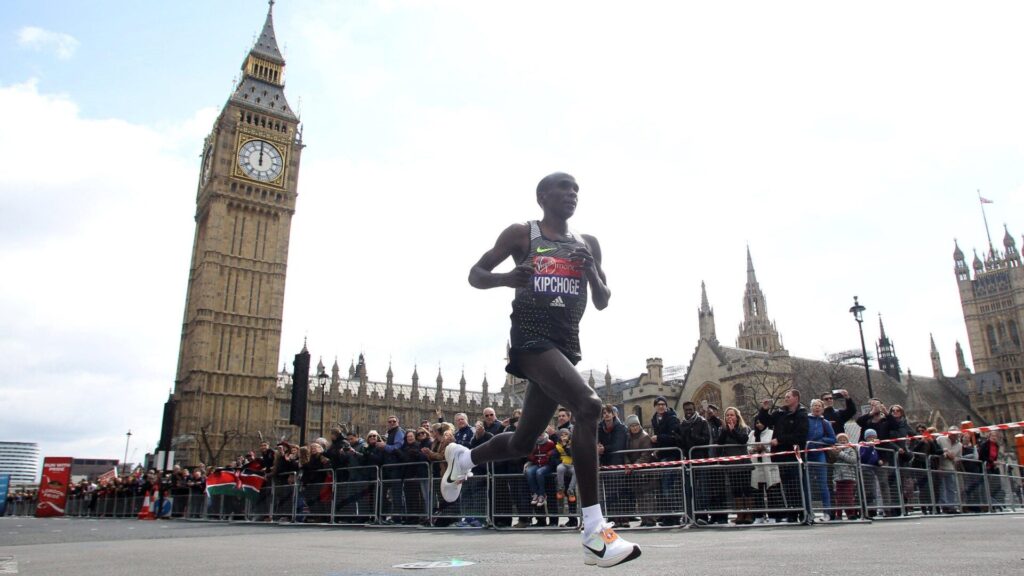
By race day, the goal is not merely to have accumulated enough miles, but to arrive healthy and confident. A well-prepared marathoner stands at the start line with a body that can sustain effort, absorb impact, and respond to fatigue. This preparation extends beyond the race itself, laying the foundation for future running endeavors. First-time marathoners who invest in strength, mobility, and injury prevention often find that their post-race recovery is smoother and their desire to continue running stronger. The marathon becomes not an endpoint, but a milestone in a longer athletic journey.
Conclusion: Building a Marathoner From the Ground Up
Training for a first marathon is a transformative process that reshapes both body and mindset. While endurance running forms the visible core of preparation, true readiness emerges from a broader foundation. Strength training enhances resilience, mobility supports efficiency, and recovery allows adaptation to occur. Injury prevention is not a separate task, but the natural result of balanced, intelligent training. By approaching marathon preparation as a holistic endeavor, first-time runners build not only the capacity to finish the distance, but the physical durability and confidence to sustain a lifelong relationship with running.