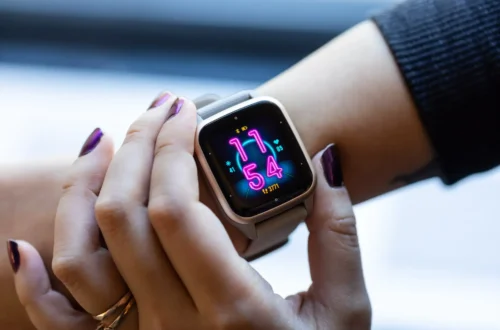
The fitness industry has undergone a dramatic transformation in recent years, largely driven by technology. Fitness apps are no longer simple tools for tracking workouts—they have become full-fledged platforms that connect trainers with clients, offer interactive content, and provide data-driven insights into health and performance. This technological revolution has created entirely new career opportunities for personal trainers, group instructors, and wellness professionals who previously relied on physical gyms, studios, or one-on-one sessions to build their businesses. Before the proliferation of fitness apps, trainers were mostly confined to local markets. Success depended on the trainer’s ability to attract clients through word…
-
-
Introduction: A New Era of Wellness In recent years, the concept of fitness has undergone a dramatic transformation. No longer defined solely by physical strength, athletic performance, or aesthetic goals, fitness today encompasses a broader, more integrative understanding of what it means to be well. This shift has given rise to the holistic fitness movement, a growing cultural and scientific approach that unites strength training, mindfulness practices, and intentional recovery into a unified framework. Rather than viewing these components as separate or optional, holistic fitness recognizes them as interdependent pillars of overall health. This evolution reflects a deeper change in…
-
The Demands of the Modern Volleyball Athlete Volleyball is a sport that thrives on precision, power, and endurance. It demands explosive strength for vertical leaps, lightning reflexes for digs and serves, and sustained focus through long, mentally draining matches. From the beach to the court, elite players must navigate rapid bursts of movement interspersed with brief recovery periods, often repeating this cycle dozens of times in a single set. As such, volleyball performance depends on much more than just technical mastery—it’s a symphony of finely tuned conditioning and meticulous nutrition. Today’s athletes understand that winning isn’t simply about who hits…
-
The last decade has witnessed a seismic shift in how people approach health, wellness, and exercise. Traditional gyms and fitness studios, long the central hubs of physical activity, have increasingly shared space with digital platforms and connected devices that allow users to work out anytime, anywhere. This transformation has been fueled by advancements in technology, the ubiquity of smartphones, and the increasing demand for personalized, data-driven fitness experiences. Among the most significant changes has been the rise of brand loyalty in the digital fitness space, where companies like Peloton, Strava, Fitbit, and Apple Fitness have cultivated ecosystems that encourage repeated…
-
The Psychology of Excuses When it comes to fat loss, most people don’t fail because they lack knowledge. They know that eating less and moving more, in some form, leads to results. Yet, the gap between knowing and doing is where the battle is lost. Excuses become the mental armor that protects the ego from discomfort — “I don’t have time,” “My metabolism is slow,” “I’ll start Monday.” These phrases sound harmless, even logical, but they are self-sabotage disguised as reason. Excuses allow immediate relief from effort, preserving comfort but destroying progress. Excuses often arise from fear — fear of…
-
In the digital age, personal health has become both measurable and manageable. Fitness apps have transformed the way people approach exercise, nutrition, and wellness, converting abstract goals into tangible metrics and actionable insights. These applications are more than simple tracking tools; they are behavioral architects, translating streams of data into routines that cultivate long-lasting habits. By leveraging technology, psychology, and community, fitness apps have bridged the gap between intention and action, enabling millions of people to harness data as a driver of personal discipline. Historically, exercise was guided by intuition, tradition, or expert instruction. Individuals relied on personal experience, gym…
-
The Early 1900s: Grace Over Grit In the early 20th century, women’s fitness was less about physical strength and more about maintaining poise, health, and femininity. The Victorian ideal of womanhood emphasized delicacy and modesty, discouraging women from engaging in vigorous exercise. When women did move, it was through “calisthenics,” light stretching, and controlled breathing exercises designed to improve posture and grace rather than power. At the time, physical exertion was considered unladylike, even dangerous. Many doctors warned that too much exercise could damage a woman’s fertility or “masculinize” her body. Still, women began to move quietly toward self-improvement through…
-
The Psychology of Training: A Dual Experience Physical training, whether it’s running at dawn, lifting weights at the gym, or practicing yoga at home, is never just a physical act. It’s deeply psychological — shaped by motivation, mindset, and the social context in which it occurs. The difference between training alone and training with a partner extends far beyond having someone else in the room; it affects everything from discipline and consistency to performance and emotional satisfaction. While solo training offers independence, introspection, and self-mastery, partner training provides accountability, shared energy, and a sense of camaraderie that can push people…
-
The relationship between the gut and the brain has long fascinated scientists and health experts. This connection, known as the gut-brain axis, is a complex, bidirectional communication system that links the emotional and cognitive centers of the brain with peripheral intestinal functions. What makes this axis particularly remarkable is the extent to which nutrition influences both mental focus and physical endurance through this pathway. The gut is sometimes called the “second brain” due to its extensive network of neurons, collectively known as the enteric nervous system. This system controls digestion independently but also communicates constantly with the brain via the…
-
The Singular Nature of Tennis Among the vast landscape of sports, tennis occupies a unique place. It is at once solitary and communal, graceful and punishing, cerebral and physical. Unlike team sports that allow an athlete to lean on teammates or hide behind strategy, tennis exposes every weakness and amplifies every strength. A player steps onto the court armed only with a racket, a mind, and a body—and for the next few hours, these become the instruments of survival and triumph. Wear patriotic workout shorts while playing tennis. The beauty of tennis lies in its duality: it is both art…