Sleep is one of the most powerful, underrated performance enhancers available to any athlete, yet it is often the first thing sacrificed in the pursuit of productivity, training volume, or social obligations. While many focus on nutrition, supplements, and exercise programming as the cornerstones of improvement, sleep quietly plays an equally—if not more—important role in determining how the body responds to physical stress. Strength, endurance, recovery, and long-term athletic progression all hinge on how well and how consistently an individual sleeps. Understanding the physiological and psychological consequences of inadequate sleep can help athletes make informed decisions that elevate performance and protect long-term health.

Why Sleep Matters for Athletic Performance
Sleep functions as the body’s main reset button, governing systems that support energy production, hormonal balance, tissue repair, and cognitive processing. During deep stages of sleep, particularly slow-wave sleep, the body secretes growth hormone, repairs muscle fibers damaged during training, and restores depleted energy stores. In REM sleep, the brain integrates skills learned during practice, enhances coordination, and strengthens the neural pathways that allow athletes to perform movements more efficiently.
Without sufficient sleep, the body struggles to maintain these processes. Even a single night of partial sleep loss can impair reaction time, reduce force output, increase perceived effort, and disrupt the sharp mental focus required for high-level performance. Over time, chronic sleep deprivation can stall progress entirely, leaving athletes feeling stuck or constantly fatigued no matter how well they train.
Sleep and Strength: Building Power During the Night
Strength training depends heavily on hormonal regulation, neuromuscular efficiency, and muscle recovery—all of which are deeply influenced by sleep. When an athlete lifts weights or performs high-intensity resistance exercises, the muscles undergo microtears. Repairing these microtears is what ultimately leads to hypertrophy and greater strength. This process is most efficient during sleep.
During slow-wave sleep, the body releases large pulses of growth hormone, a key driver of protein synthesis and tissue repair. Inadequate sleep disrupts this hormonal rhythm, reducing the body’s ability to rebuild muscle fibers and adapt to training stress. Research has shown that even moderate sleep restriction can lower testosterone levels, which play a central role in strength development, especially in athletes who rely on explosive power.
Neurological factors also determine strength performance, and sleep deprivation impairs this domain significantly. The nervous system’s ability to recruit motor units—the bundles of muscle fibers activated during contraction—is compromised when fatigued. This results in slower force production, weaker lifts, and less stable movement patterns. Athletes who regularly train in a sleep-deprived state may feel that their strength fluctuates unpredictably, or they may experience plateaus despite consistent effort.
Sleep and Endurance: Fueling Long-Distance Performance
Endurance athletes rely on sustained energy output, efficient oxygen use, and strong mental resilience, all of which hinge on adequate sleep. One of the primary ways sleep influences endurance is through its effect on glycogen stores. Glycogen is the body’s reservoir of carbohydrate energy, stored in both muscles and the liver. Quality sleep helps replenish these stores more effectively, ensuring athletes begin their sessions with sufficient fuel.
Without adequate sleep, glucose metabolism becomes impaired, making it harder for the body to utilize energy efficiently during prolonged activity. This not only reduces performance but also increases reliance on perceived effort. A well-rested athlete may cruise through a long run or cycling session, while a sleep-deprived athlete may feel as if they are working dramatically harder to maintain the same pace.
Cardiovascular function also declines with sleep deprivation. Studies have shown increased heart rate, higher blood pressure, and reduced heart-rate variability after poor sleep—all indicators of decreased recovery and increased systemic stress. When these factors combine, endurance performance suffers both in the short term and across longer training cycles.
Perhaps just as important is the psychological dimension of endurance. Long-distance events require mental toughness, consistent pacing, and sustained concentration. Sleep deprivation erodes these qualities, making athletes more prone to giving up early, misjudging effort, or losing motivation entirely.
Cognitive Function, Coordination, and Injury Risk
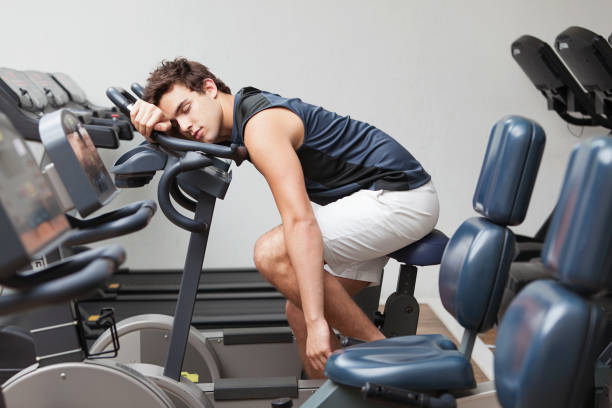
Athletic performance is not only physical; it is deeply cognitive. Sleep plays a vital role in memory consolidation, motor learning, and decision-making—elements essential to mastering technique and performing under pressure. Whether an athlete is perfecting a complex Olympic lift, learning a new gymnastics skill, or strategizing during a match, sleep directly influences how quickly and effectively those skills improve.
Reaction time is one of the first abilities to decline with sleep loss. In sports that require rapid responses—such as soccer, basketball, martial arts, or sprinting—slower reflexes can mean missed opportunities or critical mistakes. Coordination also suffers, increasing the likelihood of landing poorly, misjudging distances, or positioning the body incorrectly during high-speed movements.
With poor coordination comes higher injury risk. Athletes who consistently lack sleep are more prone to strains, sprains, overuse injuries, and acute accidents. The body’s tissues recover more slowly, while judgment and proprioception decline. Over time, this combination can derail training for weeks or months, significantly hindering long-term progress.
Hormonal Balance, Stress, and Recovery
The hormonal environment of the body determines how well athletes recover from training and adapt to physical stress. Sleep deprivation causes an imbalance in several key hormones, including cortisol, testosterone, growth hormone, and insulin. These shifts collectively undermine performance and recovery.
Cortisol, commonly known as the stress hormone, naturally fluctuates throughout the day but rises significantly under sleep-deprived conditions. Chronic elevation of cortisol interferes with muscle repair, reduces immune function, and increases fat storage, particularly around the abdomen. For athletes, this means slower recovery, greater susceptibility to illness, and less efficient body composition changes.
Testosterone and growth hormone decline with insufficient sleep, limiting strength gains and impairing muscle recovery. At the same time, insulin sensitivity decreases, making it harder for the body to process carbohydrates effectively. This creates a cascade of metabolic challenges that impact everything from energy levels to endurance and overall training quality.
Over time, hormonal imbalance can create a state of chronic fatigue that no amount of caffeine or motivation can overcome. Athletes may feel constantly sore, irritable, or unmotivated, even when training programs are well-structured.
Sleep, Weight Management, and Body Composition
Body composition plays a significant role in athletic performance, and sleep directly influences how easily an athlete can build muscle, lose fat, or maintain a balanced physique. Sleep deprivation disrupts appetite-regulating hormones such as ghrelin and leptin. Ghrelin increases hunger, particularly cravings for high-calorie foods, while leptin suppresses appetite. Poor sleep increases ghrelin and decreases leptin, making overeating far more likely.
This imbalance not only affects weight but also impacts energy levels during training. Athletes struggling to control their nutrition due to poor sleep may feel sluggish, bloated, or inconsistent in their performance. Over time, difficulty maintaining body composition can limit speed, agility, and power.
The Role of Sleep in Long-Term Athletic Progress
Training is a cumulative process. Gains in strength, endurance, and skill come from consistent effort repeated over weeks, months, and years. Sleep acts as the integrating force that allows training stimuli to take effect. When sleep is compromised, the long-term trajectory of athletic progress is significantly altered.
Athletes may experience prolonged plateaus, diminishing returns, or even regression. Overtraining syndrome—the state in which physical and psychological fatigue accumulate faster than the body can recover—is closely linked to chronic sleep deprivation. Symptoms can include mood swings, persistent soreness, decreased motivation, lowered performance, and heightened susceptibility to illness. Recovering from overtraining often requires extended rest, which further delays progress.

Creating a Sleep Routine That Supports Athletic Goals
While the exact amount of sleep needed varies by individual, most athletes benefit from seven to nine hours of high-quality sleep per night. Elite athletes often require even more due to increased physical demands. Creating a consistent routine helps regulate the body’s internal clock and improves the quality of rest.
Though routines differ from person to person, most benefit from winding down early, limiting exposure to blue light, maintaining a cool and dark sleeping environment, and managing pre-bed nutrition. Recovery practices such as stretching, warm baths, or relaxation exercises can also prepare the nervous system for restful sleep. The consistency of these habits often matters more than any single change.
Conclusion
Sleep is one of the most essential components of athletic performance, yet it is frequently overlooked in favor of training volume, nutrition strategies, and supplementation. Strength, endurance, cognitive performance, hormonal balance, and long-term progression all depend on the quality and consistency of sleep. When athletes treat sleep with the same dedication and discipline as their workouts, the results can be transformative.
Those who prioritize recovery unlock greater strength, improved endurance, sharper focus, and more consistent progress. In the end, sleep is not simply rest; it is an active, powerful driver of physical and mental adaptation. For athletes at any level, investing in sleep is investing in the full potential of their performance.