
Introduction: More Than a Room Full of Weights
Walk into a modern gym today and you are as likely to find a smoothie bar, coworking lounge, or recovery spa as you are a squat rack. Music hums with intention, lighting is carefully calibrated, and branding is as deliberate as the training programs on offer. This is a far cry from the gyms of the past, which were often dimly lit basements filled with iron plates, chalk dust, and an unspoken rule that only the toughest belonged. The evolution of training spaces reflects more than changes in equipment or architecture; it mirrors broader cultural shifts in how society understands health, identity, community, and lifestyle. From iron dungeons to lifestyle hubs, the modern gym tells a story of transformation.
The Early Days: Strength, Survival, and Exclusivity
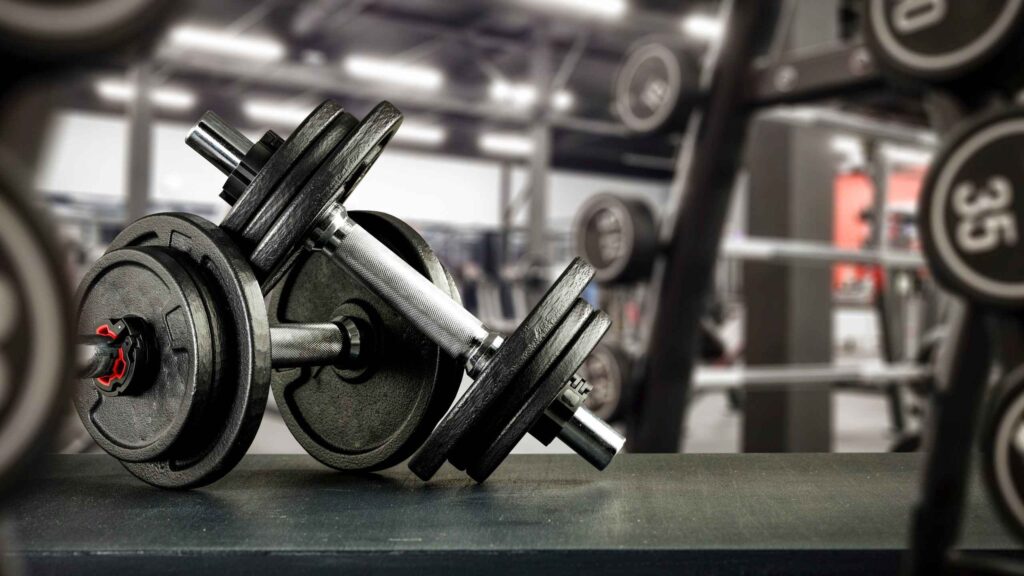
The earliest gyms were rooted in function rather than comfort. Inspired partly by ancient Greek gymnasiums but shaped heavily by industrial-age pragmatism, early modern training spaces focused almost exclusively on strength and physical preparedness. Weightlifting clubs and “muscle gyms” of the early twentieth century catered largely to men, often athletes, soldiers, or manual laborers seeking to enhance raw power. These spaces were utilitarian to the core, with minimal concern for aesthetics, accessibility, or emotional experience.
In the post-war period, bodybuilding culture further cemented the gym’s reputation as an intimidating domain. Icons like Arnold Schwarzenegger trained in environments that emphasized grit and discipline, reinforcing the idea that gyms were places of suffering and self-denial. For many outsiders, especially women and older adults, these spaces felt unwelcoming, even hostile. The gym was not a social environment or a wellness center; it was a proving ground.
The Aerobics Revolution and the Democratization of Fitness
The late 1970s and 1980s marked a turning point. As public awareness of cardiovascular health grew, fitness began to shift from niche pursuit to mainstream activity. Aerobics classes, popularized through television, VHS tapes, and celebrity instructors, brought movement into living rooms and, eventually, into gyms. Training spaces expanded to include mirrored studios, group classes, and music-driven workouts.
This era played a crucial role in making gyms more inclusive. Women entered fitness spaces in larger numbers, and the emphasis on group energy and enjoyment softened the harsh image of the iron dungeon. The gym became less about extreme strength and more about general health, weight management, and fun. While still far from today’s lifestyle hubs, gyms were beginning to acknowledge the psychological and social dimensions of exercise.
Commercial Chains and the Rise of Convenience
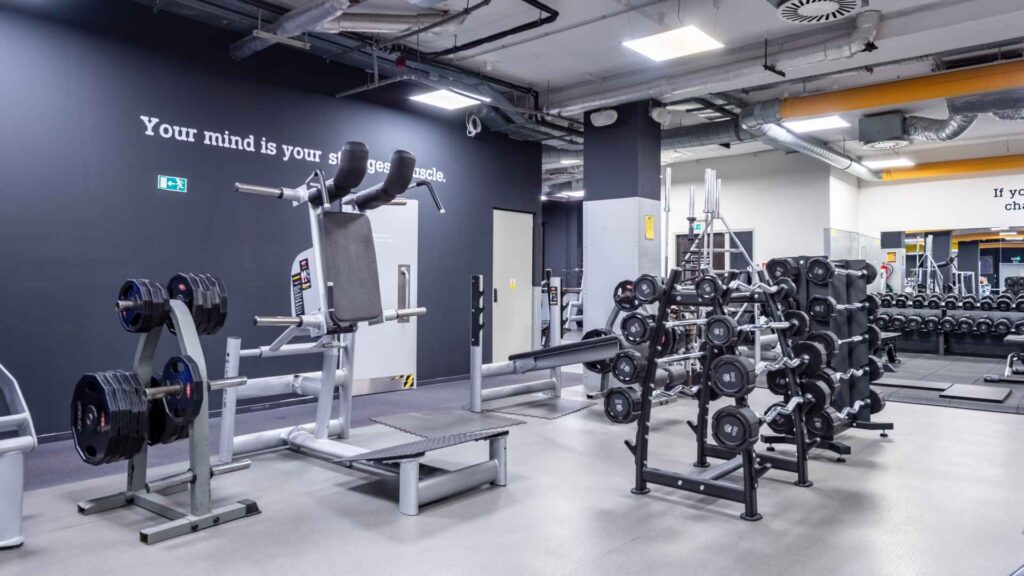
As fitness demand surged, commercial gym chains emerged to serve a growing middle class. These gyms prioritized accessibility, extended hours, and standardized equipment. Membership models replaced club-like exclusivity, making gyms available to people with varying goals, from casual exercisers to dedicated athletes. Rows of selectorized machines, cardio theaters with televisions, and locker room amenities became the norm.
This phase marked the gym’s integration into daily routine. Training was no longer an event that required special preparation or courage; it became something you could fit in before work or after dinner. However, the experience was often impersonal. Large-scale gyms optimized for efficiency but sometimes lacked identity, leaving many members feeling anonymous and unmotivated despite their access to state-of-the-art equipment.
Functional Training and the Return to Movement
In the early 2000s, dissatisfaction with machine-heavy training sparked another shift. Functional training, inspired by athletic preparation, physical therapy, and natural movement patterns, gained popularity. Open floor plans replaced tightly packed machines, and equipment like kettlebells, suspension trainers, and sleds encouraged dynamic, full-body movement.
This change influenced gym design as much as training philosophy. Spaces became more flexible, modular, and interactive. Coaches moved from passive supervisors to active guides, and small-group training fostered a renewed sense of community. The gym began to feel less like a factory and more like a workshop for physical skill. Importantly, this era reframed exercise as something that improved life outside the gym, not just appearance within it.
Boutique Studios and the Power of Experience
Perhaps the most dramatic evolution came with the rise of boutique fitness studios. These specialized spaces focused on a single modality, such as spinning, yoga, boxing, or high-intensity interval training, and wrapped it in a carefully crafted experience. Lighting, music, scent, and instructor performance combined to create an immersive environment that felt closer to entertainment than traditional exercise.
Boutique studios redefined what people expected from a gym. Members were no longer just paying for access to equipment; they were buying motivation, identity, and belonging. The gym became a place where people expressed who they were or who they wanted to be. This experiential focus pushed the entire fitness industry forward, forcing larger gyms to rethink design, programming, and customer engagement.
Technology’s Role in Shaping Modern Training Spaces
Technology has been a powerful driver in the gym’s transformation. Digital check-ins, app-based class bookings, and wearable integration have streamlined logistics while personalizing the experience. Screens are now embedded in cardio machines, walls, and even mirrors, providing real-time feedback, virtual coaching, or on-demand classes.
Beyond convenience, technology has reshaped the physical layout of gyms. Spaces are designed to be camera-friendly for virtual training, acoustically optimized for immersive sound, and adaptable to hybrid in-person and online models. Data-driven insights allow gyms to tailor programming, manage traffic flow, and enhance member retention. The modern gym is as much a digital ecosystem as it is a physical one.
Wellness, Recovery, and the Holistic Shift
One of the most significant changes in recent years is the gym’s embrace of holistic wellness. Training is no longer seen as an isolated activity but as part of a broader health continuum that includes recovery, mental well-being, and lifestyle balance. Modern gyms increasingly feature recovery zones with massage tools, cold therapy, saunas, and guided stretching areas.
This shift acknowledges that performance and health are unsustainable without rest and self-care. It also broadens the gym’s appeal to people who may not identify as fitness enthusiasts but are interested in stress reduction, longevity, or general well-being. By integrating recovery and mindfulness, gyms position themselves as essential spaces for modern life rather than optional add-ons.
Design, Aesthetics, and the Psychology of Space
The look and feel of gyms have evolved alongside their purpose. Harsh fluorescent lighting and concrete walls have given way to natural materials, thoughtful color palettes, and intentional lighting schemes. Designers now consider how space affects mood, confidence, and motivation. An inviting environment lowers psychological barriers to entry and encourages consistency.
This focus on design reflects a deeper understanding of human behavior. People are more likely to return to spaces where they feel comfortable and inspired. In this sense, the modern gym borrows principles from hospitality and retail, aiming to create an emotional connection rather than merely a functional one.

Community and the Gym as a Social Hub
Perhaps the most profound transformation is the gym’s role as a community space. Modern training facilities actively cultivate social interaction through events, challenges, workshops, and shared spaces like cafés or lounges. Members are encouraged to connect, not just train side by side in silence.
This sense of belonging addresses one of the biggest challenges in fitness: adherence. People stay consistent when they feel seen and supported. By fostering relationships and shared identity, gyms become anchors in their members’ lives. The iron dungeon, once a solitary arena, has evolved into a social ecosystem.
The Future of Training Spaces
As work becomes more flexible and digital life more dominant, the gym’s role may grow even more significant. It offers something increasingly rare: a physical place dedicated to embodiment, presence, and human connection. Future gyms are likely to become even more adaptive, blending fitness, wellness, work, and social life into integrated environments.
Rather than returning to their roots, gyms continue to expand their meaning. What began as a room full of iron has transformed into a reflection of modern values, emphasizing balance over punishment, experience over endurance, and community over isolation. Inside the modern gym, we can see not just how training has evolved, but how society itself continues to redefine what it means to live well.