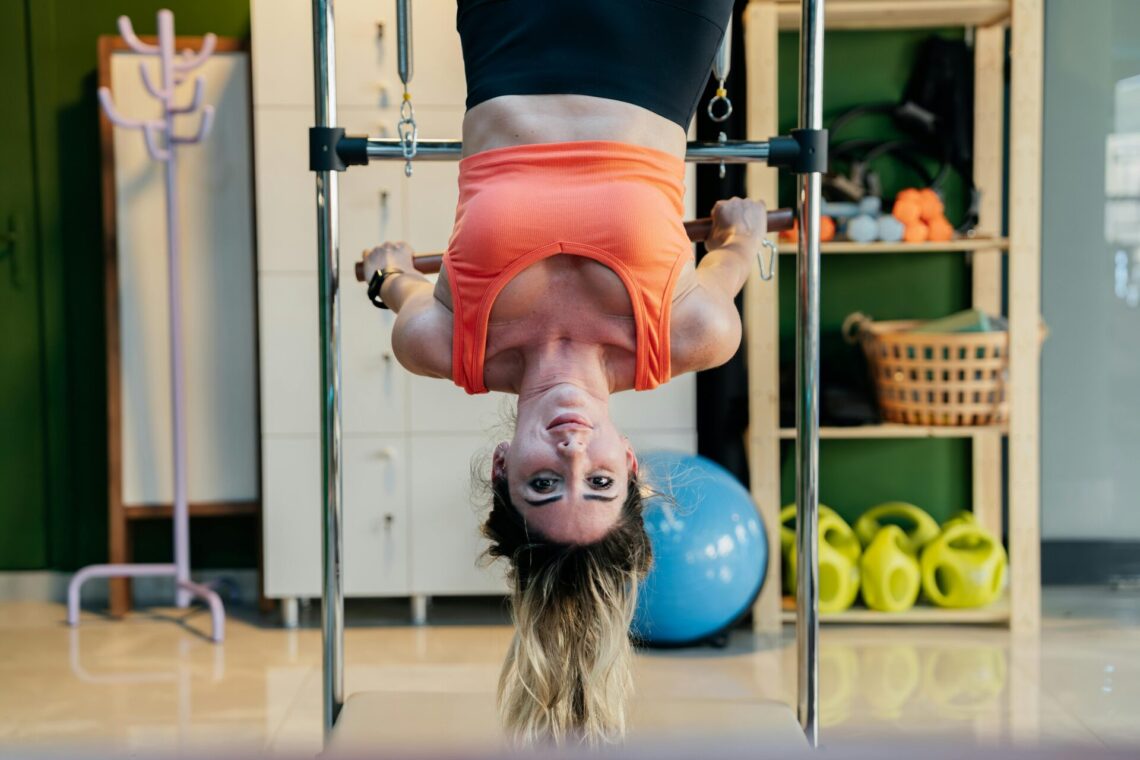
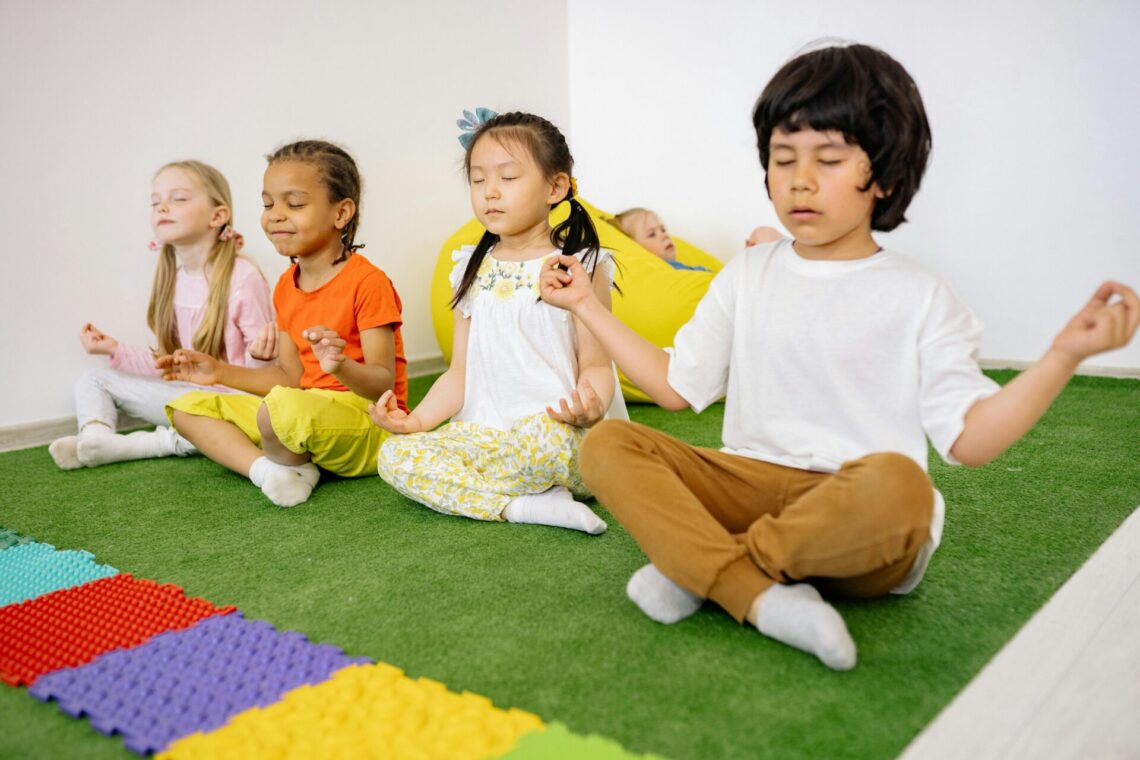
In recent decades, the importance of mental health among children and adolescents has gained unprecedented attention. With rising rates of anxiety, depression, and stress-related disorders in school-aged populations, educators and counselors are seeking effective, holistic strategies to support students’ well-being. One of the most powerful yet often underutilized tools in this effort is physical activity. The connection between movement and mental health is not new, but its integration into school counseling practices remains limited despite overwhelming evidence supporting its benefits. Scientific research has consistently shown that regular physical activity positively impacts brain function, mood regulation, and emotional resilience. Exercise triggers…
-
-
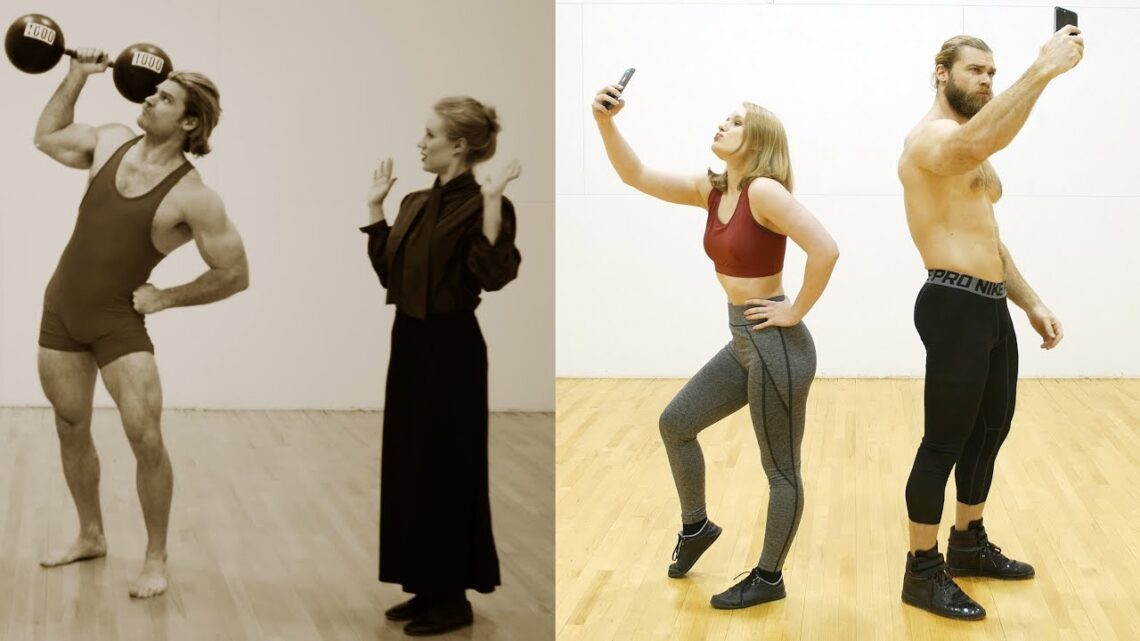
Physical fitness has always been intertwined with human survival, identity, and culture. What began as a necessity for hunting, gathering, and warfare gradually transformed into rituals of discipline, social bonding, and eventually an industry dedicated to health and aesthetics. From ancient warriors training for battlefields to modern individuals sweating in brightly lit gyms, the story of human fitness is one of adaptation, reinvention, and enduring relevance. Exploring this journey not only helps us appreciate our past but also reveals how deeply fitness is connected to our cultural evolution. The Survival Roots of Fitness in Prehistoric Societies For early humans, fitness…
-
Fitness culture is often celebrated as a beacon of motivation, transformation, and resilience. It has become a lifestyle for millions, inspiring people to chase strength, endurance, and personal health goals. Gyms, online communities, and social media platforms are filled with stories of progress, before-and-after pictures, and powerful quotes about discipline and dedication. But beneath the motivational slogans and carefully curated images, there exists a darker side to fitness culture—one that fuels toxic positivity, promotes burnout, and magnifies body image issues. To understand the full picture, we must explore not only the pitfalls but also the solutions that can help create…
-
Martial arts in movies have captured the imagination of audiences worldwide, turning local fighting techniques into global cultural phenomena. From the moment martial arts choreography appeared in early cinema, it began influencing how people viewed discipline, physical strength, and the potential of the human body. These movies have transcended mere entertainment to shape perceptions about health, agility, self-defense, and lifestyle. The origins of martial arts cinema can be traced back to East Asian film industries, particularly Hong Kong and Japan. The 1960s and 1970s witnessed the rise of iconic figures like Bruce Lee, whose charisma, philosophy, and physical prowess redefined…
-
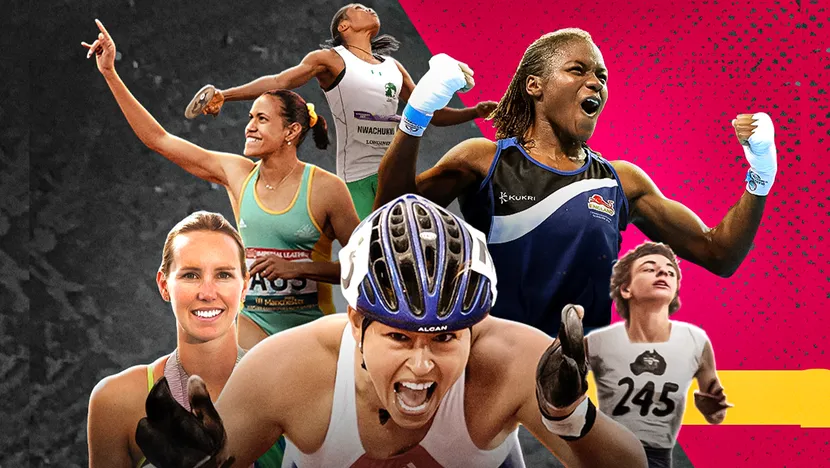
Women’s sports have long been more than athletic competition; they are a powerful platform for social change, empowerment, and feminist expression. From grassroots leagues to professional arenas, female athletes have challenged gender norms, demanded equality, and inspired generations to envision a world where women can fully occupy public and competitive spaces. Among these sports, basketball stands out as a particularly compelling lens through which to explore the intersection of women’s athletics and feminist activism. Its history, struggles, and triumphs illustrate the broader fight for gender equity in society, making women’s basketball not just a game, but a cultural and political…
-
Swimming is often celebrated as a relaxing leisure activity, a refreshing escape from the heat, or a childhood pastime. Yet beneath the surface of the pool lies one of the most powerful and comprehensive workouts for the human body. Unlike many conventional exercises that target isolated muscle groups, swimming engages virtually every part of the body, offering a full-body workout that strengthens, tones, and conditions simultaneously. Beyond the physical, swimming has profound benefits for cardiovascular health, mental well-being, and long-term fitness. Why Swimming Works Every Muscle The beauty of swimming lies in its resistance. Water is roughly 800 times denser…
-
In the world of athletics, core strength is often hailed as the foundation upon which nearly every movement is built. The core encompasses the muscles of the abdomen, lower back, pelvis, and hips. These muscles act as a central powerhouse, stabilizing the spine and pelvis during dynamic movement. For athletes, whether sprinting down a track, pivoting on the court, or executing a complex gymnastic routine, a strong and functional core is crucial not only for optimal performance but also for injury prevention. The core is more than just the visible “six-pack” muscles; it includes deep stabilizers like the transverse abdominis,…
-
The Rise of Cycling as a Dominant Training Method In a world filled with diverse training methods and fitness trends, cycling has firmly maintained its position as a cornerstone of cardiovascular and muscular fitness. Whether it’s a road bike cutting through the countryside, a mountain bike grinding up steep terrain, or a stationary bike in a high-energy spin class, cycling offers a comprehensive workout that’s as adaptable as it is effective. The essence of cycling lies in its balance—it challenges the cardiovascular system, builds muscular strength, and steadily develops endurance, making it a powerful tool for athletes, casual fitness enthusiasts,…
-
The age of 40 is a milestone. It marks the point where your body begins to change in subtle but significant ways. Recovery slows down, muscle mass begins to decline, metabolism may taper off, and energy levels can waver. However, contrary to popular belief, turning 40 doesn’t mean succumbing to inevitable decline. In fact, with the right strategies, you can feel stronger, leaner, and more energized than ever before. Fitness after 40 isn’t about fighting aging — it’s about adapting to it intelligently. This article explores the most effective strategies to stay fit, healthy, and vital after 40. From strength…
-
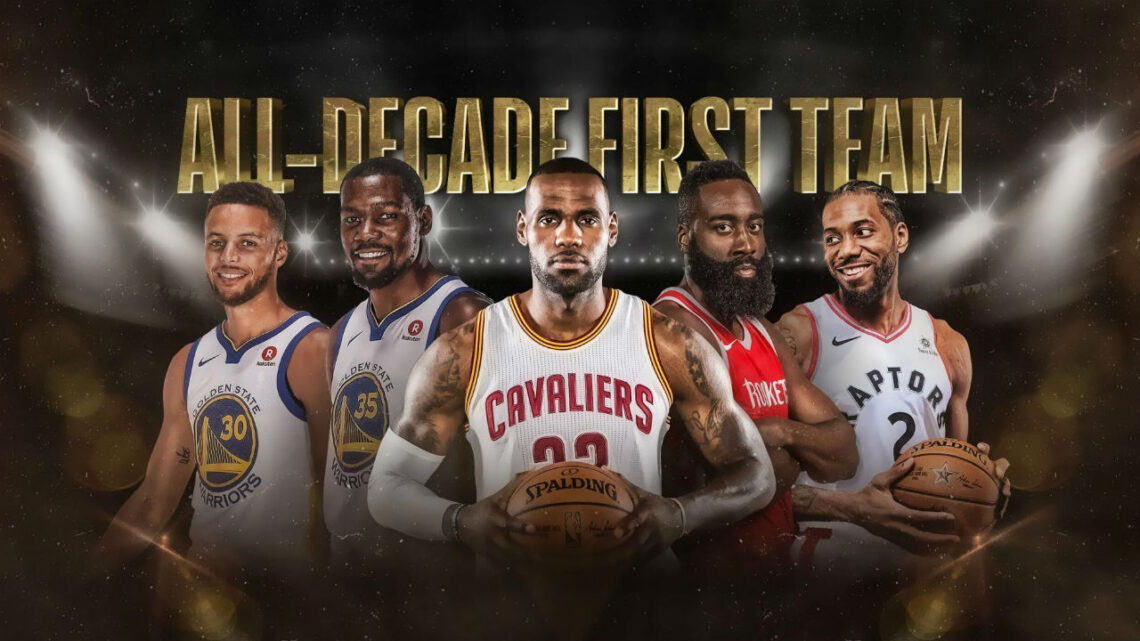
The NBA over the past decade has been defined not only by thrilling games and dramatic playoff moments but by a remarkable group of players who have shaped the league’s future. These are the legacy builders — athletes whose influence extends far beyond their individual statistics. They redefined roles, pushed the boundaries of skill and athleticism, and helped carry basketball into new cultural and strategic eras. Understanding who these figures are and what they represent offers valuable insight into the evolution of the sport itself. The last ten years, roughly spanning 2015 through 2025, showcase a fascinating mix of generational…