
The age of 40 is a milestone. It marks the point where your body begins to change in subtle but significant ways. Recovery slows down, muscle mass begins to decline, metabolism may taper off, and energy levels can waver. However, contrary to popular belief, turning 40 doesn’t mean succumbing to inevitable decline. In fact, with the right strategies, you can feel stronger, leaner, and more energized than ever before. Fitness after 40 isn’t about fighting aging — it’s about adapting to it intelligently.
This article explores the most effective strategies to stay fit, healthy, and vital after 40. From strength training to hormonal balance, from nutrition to mindset, here’s what you need to know to thrive physically and mentally well into midlife and beyond.
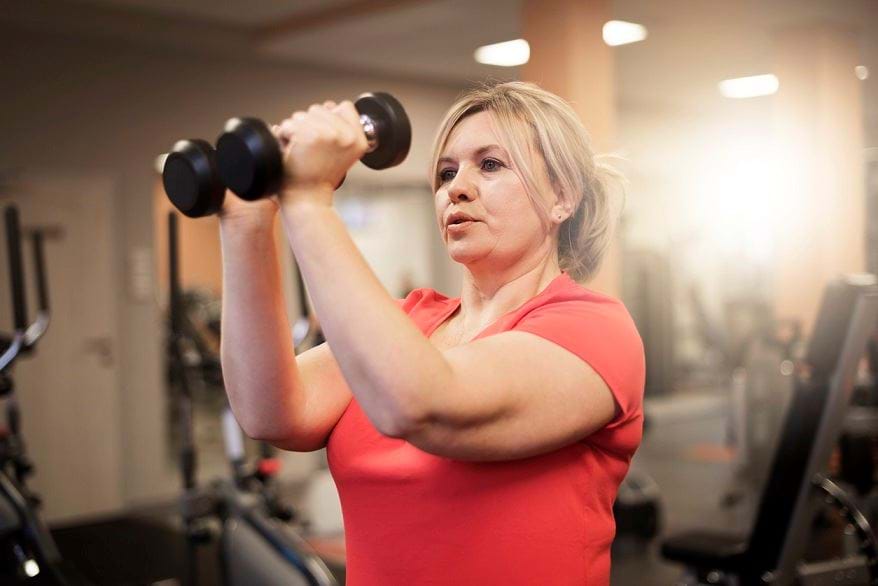
Understanding Your Body After 40
The first step toward a sustainable fitness routine is understanding how your body changes. Sarcopenia — the age-related loss of muscle mass — begins in your 30s but becomes more pronounced after 40. You may lose as much as 3-5% of muscle mass per decade if you’re inactive. Along with this decline, bone density starts decreasing, especially in women post-menopause, increasing the risk of fractures.
Your metabolism also slows. You burn fewer calories at rest, which can lead to weight gain if you don’t adjust your diet or increase your activity levels. Hormones play a significant role as well. Testosterone and growth hormone levels dip in men, while women face the fluctuations of perimenopause and menopause, which can affect mood, sleep, and body composition.
The key takeaway: your body becomes less forgiving, but not incapable. You need to train smarter, not necessarily harder.
Strength Training: The Non-Negotiable Foundation
If there’s one type of exercise you must prioritize after 40, it’s strength training. Lifting weights or using resistance bands not only builds muscle mass but also strengthens bones, improves insulin sensitivity, boosts metabolism, and enhances posture and joint stability.
Contrary to the myth that weight training is only for the young or the body-obsessed, it is crucial for functional fitness. Picking up groceries, climbing stairs, or playing with your kids or grandkids all become easier with a strong body.
A well-rounded strength training routine should hit all the major muscle groups — chest, back, legs, shoulders, arms, and core. Aim for two to three sessions per week, allowing at least 48 hours for recovery between sessions targeting the same muscle groups.
Start with compound movements — squats, deadlifts, lunges, push-ups, and rows — which engage multiple muscles at once. Focus on proper form, controlled movements, and progressive overload (gradually increasing resistance over time). Don’t worry about lifting the heaviest weights in the gym; consistency and safety are more important.
Cardio: Not Just for the Heart
While strength training should be your base, cardio plays an essential supporting role. It improves cardiovascular health, helps regulate blood pressure and cholesterol, aids fat loss, and elevates mood by boosting endorphins.
The good news is you don’t need marathon-level training. Moderate-intensity cardio — like brisk walking, cycling, or swimming — for 150 minutes per week is sufficient for most people. You can break that down into 30-minute sessions five days a week.
To keep things interesting and efficient, include some high-intensity interval training (HIIT) once or twice a week. HIIT alternates short bursts of intense activity with periods of rest or low-intensity movement. It improves cardiovascular fitness, burns fat, and preserves lean muscle mass, making it ideal for people over 40 looking to stay lean and energized.

Mobility and Flexibility: The Missing Pieces
Mobility and flexibility often get sidelined in fitness routines, but they become increasingly important with age. Tight hips, stiff shoulders, and limited spinal mobility can lead to chronic pain, poor posture, and increased injury risk.
Incorporating activities like yoga, Pilates, dynamic stretching, and foam rolling can significantly improve your joint health and functional movement. Spend at least 10 minutes a day on mobility work, especially after workouts or long periods of sitting.
A simple morning routine — think cat-cow stretches, hip circles, shoulder rolls — can wake up your body and prepare you for the day ahead. Don’t view stretching as optional; see it as essential self-maintenance.
Nutrition: Fuel for Performance and Recovery
Your nutritional needs shift after 40, and diet becomes an even more powerful tool in managing weight, energy, and recovery.
Protein intake is critical. To maintain and build muscle, aim for 1.2 to 2.0 grams of protein per kilogram of body weight per day, depending on your activity level. Sources like lean meats, eggs, Greek yogurt, tofu, legumes, and protein shakes can help meet your daily needs.
Cut back on processed carbs and sugars that spike insulin and lead to energy crashes. Focus on complex carbohydrates like oats, brown rice, sweet potatoes, and whole grains for sustained energy. Fiber also becomes more important for digestion and heart health — aim for at least 25–30 grams daily.
Don’t fear healthy fats. Omega-3s (found in fish, walnuts, flaxseeds) help reduce inflammation and support joint health. Avocados, olive oil, nuts, and seeds also offer important nutrients and satiety.
Hydration is often overlooked. Dehydration can cause fatigue, muscle cramps, and poor recovery. Drink water consistently throughout the day, especially before and after workouts.
Lastly, avoid drastic calorie restriction. Severe dieting can lead to muscle loss, hormonal disruption, and slowed metabolism. Instead, aim for a slight caloric deficit if weight loss is your goal — no more than 300–500 calories below maintenance — combined with adequate protein and strength training.
Sleep and Recovery: The Unsung Heroes
Recovery becomes just as important — if not more so — than training after 40. Your muscles repair and grow while you rest, and sleep is when much of that recovery happens.
Aim for 7–9 hours of quality sleep per night. Sleep deprivation raises cortisol levels, increases cravings, reduces insulin sensitivity, and impairs workout performance.
Good sleep hygiene can help: keep a regular bedtime, avoid screens for an hour before bed, keep the room cool and dark, and limit caffeine and alcohol in the evening.
Active recovery, such as walking, light stretching, or yoga on rest days, can help reduce soreness and maintain circulation. Listen to your body — persistent soreness, fatigue, or irritability are signs you might need to back off and prioritize recovery.
Hormones and Aging: Navigating the Shift
Hormonal changes can be one of the most frustrating aspects of aging. Men may notice declines in testosterone, affecting muscle mass, energy, and libido. Women may experience estrogen and progesterone fluctuations during perimenopause and menopause, leading to weight gain, hot flashes, mood swings, and sleep disturbances.
While hormone replacement therapy (HRT) can be an option for some under medical supervision, lifestyle plays a powerful role in regulating hormones. Exercise (especially strength training), stress management, sleep, and nutrition can naturally optimize hormonal balance.
Certain supplements like vitamin D, magnesium, omega-3s, and adaptogens (e.g., ashwagandha, rhodiola) may support hormone health, but always consult with a healthcare provider before starting any new regimen.
The Mental Game: Motivation and Mindset
Staying fit after 40 is as much a mental game as a physical one. Life gets busy — careers peak, families demand attention, and time feels scarce. It’s easy to push health to the back burner.
But here’s the truth: staying fit enhances every other area of your life. More energy means you’re a better parent, partner, professional, and friend. Mental clarity improves. Stress becomes easier to handle. You’re not just adding years to your life; you’re adding life to your years.
Reframe your workouts as an investment, not a chore. Instead of punishing yourself for aging, celebrate your body for what it can still do. Set realistic goals and measure progress in terms of strength, endurance, and mood — not just weight.
Don’t compare yourself to your 25-year-old self. You’re wiser now, and your training can be more efficient and intelligent than ever. Motivation may ebb and flow, but discipline, habits, and self-respect will carry you forward.
Social and Environmental Support
Having the right environment and support system makes all the difference. Surround yourself with people who encourage your fitness journey. Join a gym or a fitness class, sign up for events, or find a workout buddy who holds you accountable.
Make your environment fitness-friendly. Keep healthy snacks accessible, place resistance bands near your desk for quick breaks, or use a standing desk to avoid prolonged sitting.
If you’re short on time, remember that short, frequent workouts can still be effective. A 20-minute session done consistently beats an hour-long workout you never get around to.

Conclusion: Aging Is Not a Limitation — It’s a Call to Action
Fitness after 40 is not about chasing your younger self or competing with unrealistic ideals. It’s about embracing a holistic, sustainable, and proactive approach to health. It’s about valuing strength over scale, energy over aesthetics, and quality of life over fleeting trends.
Yes, your body changes — but that doesn’t mean it’s broken. It means it’s evolving. And with the right strategies — strength training, smart cardio, mobility work, dialed-in nutrition, quality sleep, and a strong mindset — you can meet that evolution head-on.