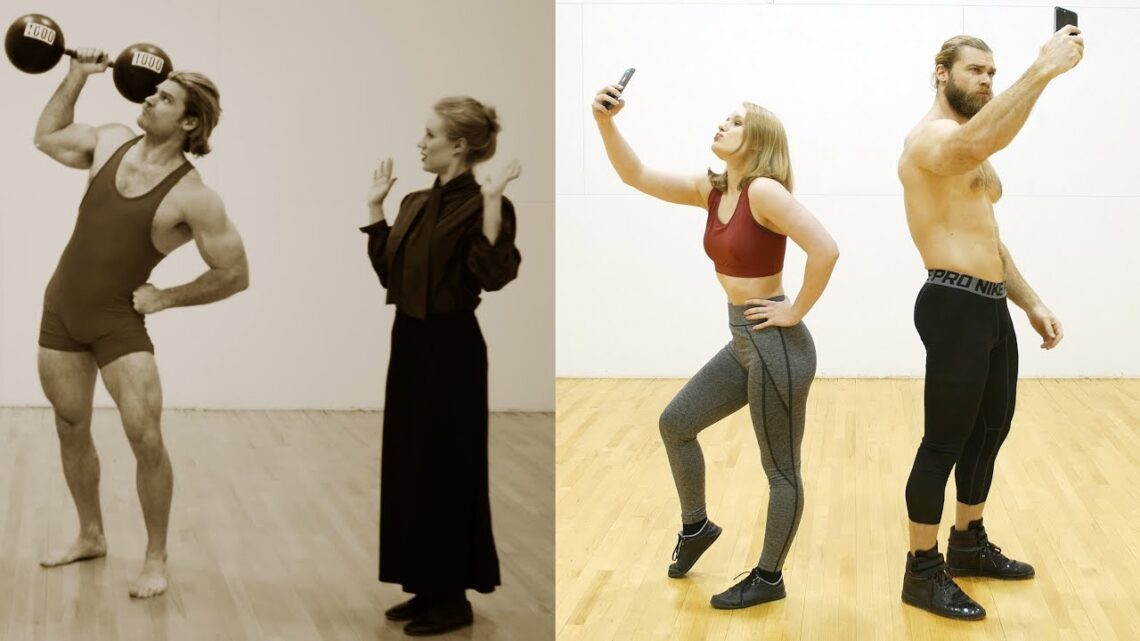
Physical fitness has always been intertwined with human survival, identity, and culture. What began as a necessity for hunting, gathering, and warfare gradually transformed into rituals of discipline, social bonding, and eventually an industry dedicated to health and aesthetics. From ancient warriors training for battlefields to modern individuals sweating in brightly lit gyms, the story of human fitness is one of adaptation, reinvention, and enduring relevance. Exploring this journey not only helps us appreciate our past but also reveals how deeply fitness is connected to our cultural evolution.
The Survival Roots of Fitness in Prehistoric Societies
For early humans, fitness was not a matter of choice but of survival. The first hunter-gatherer societies depended on physical endurance, strength, and agility to find food and escape predators. Running, climbing, swimming, throwing, and lifting were not organized forms of exercise but daily necessities. Anthropological studies show that prehistoric humans were far more physically active than most people today, expending several thousand calories each day through constant movement.
Hunting large animals required stamina, teamwork, and skill, while foraging demanded long treks and the ability to carry heavy loads. Fitness, therefore, was not separated from life itself. It was integrated into every aspect of survival and shaped the development of the human body into one capable of endurance running and complex motor skills. The foundation of physical culture lay in this primal connection between body and survival.

Ancient Civilizations and the Rise of Structured Training
As human societies became more organized, so too did approaches to physical training. The emergence of cities, armies, and organized sports gave birth to structured fitness practices that carried symbolic, military, and cultural significance.
Egypt and Mesopotamia: Fitness as Preparation for War
In ancient Egypt and Mesopotamia, soldiers trained in archery, wrestling, and running to prepare for battles and defense. Tomb paintings depict wrestling scenes and athletic feats, suggesting that physical prowess was valued not only for military success but also for entertainment and ritual. The link between fitness and warfare remained dominant, as rulers depended on strong armies for territorial expansion and security.
Ancient Greece: The Ideal of a Sound Mind in a Sound Body
No culture influenced the philosophy of fitness more than ancient Greece. The Greeks revered the balance of body and mind, captured in the ideal of kalokagathia—the harmony of physical beauty, strength, and moral virtue. Gymnasiums, from which the modern word “gym” derives, were not only places to train the body but also to cultivate intellect through discussion and study.
Greek athletes competed in the Olympic Games, founded in 776 BCE, which celebrated physical excellence and brought honor to city-states. Training was rigorous, involving running, discus throwing, wrestling, and pankration, a brutal blend of boxing and wrestling. Fitness in Greece was as much about civic identity and honor as it was about health.
Rome: Practical Strength for Empire Building
While inspired by Greece, Rome adopted a more utilitarian approach. Roman soldiers underwent intense physical training, including long marches with heavy armor, swimming, and weapons practice. Discipline and endurance were essential for sustaining the vast Roman Empire. Gladiatorial contests further highlighted the culture’s emphasis on strength and spectacle, though these were often brutal forms of entertainment rather than ideals of balanced fitness.
The Decline of Organized Fitness in the Middle Ages
With the fall of Rome, Europe entered the Middle Ages, a time when structured physical training largely declined. Warfare still demanded strength and skill, particularly for knights who trained in jousting, swordsmanship, and horsemanship. However, the broader population’s physical activity was dominated by agricultural labor rather than organized exercise.
Religious institutions, which wielded great influence, often discouraged the glorification of the body. Fitness became less about idealized physical form and more about practicality and survival in rural communities. Still, martial training among the nobility and tournaments provided a continuation of fitness traditions, though they were narrower in scope compared to ancient times.
The Renaissance and Rediscovery of Classical Ideals
The Renaissance rekindled interest in classical antiquity, including its physical ideals. Scholars studied Greek and Roman texts, reviving the notion of harmony between body and mind. Physical education began to reappear in schools, particularly in Italy and Germany, where educators advocated gymnastics, fencing, and dance as part of a complete education.
Art of the period reflected this shift, as painters and sculptors celebrated the human form with anatomical precision, reinforcing the connection between fitness, beauty, and intellect. The Renaissance thus laid the foundation for modern physical education by once again valuing the body as central to human development.

Enlightenment and the Birth of Modern Physical Education
The Enlightenment and subsequent industrial changes of the 18th and 19th centuries further transformed the role of fitness. As urbanization and mechanization reduced daily physical activity, the need for structured exercise became more pressing. Thinkers and educators argued that physical training was essential for health, discipline, and national strength.
Figures like Johann Christoph Friedrich GutsMuths in Germany pioneered systematic physical education, emphasizing gymnastics, calisthenics, and outdoor activities. His work influenced later educators such as Friedrich Ludwig Jahn, known as the “father of gymnastics,” who founded the Turnverein movement promoting national pride through physical training.
In Sweden, Per Henrik Ling developed a system of therapeutic gymnastics, laying groundwork for physiotherapy. Meanwhile, in England and the United States, sports such as cricket, rowing, and baseball gained popularity, signaling a cultural shift toward recreational fitness as well as organized competition.
The Military and Fitness in the Modern Era
The 19th and early 20th centuries were deeply shaped by military needs. Wars demanded fit populations capable of service, and governments began implementing physical fitness programs in schools. World War I and II intensified this focus, as soldiers needed endurance, strength, and resilience.
Military drills, obstacle courses, and calisthenics spread widely, influencing civilian fitness culture. The idea of national strength became linked to physical preparedness, and fitness was framed as a patriotic duty as well as a personal one.
The Rise of Modern Gyms and the Fitness Industry
By the mid-20th century, fitness began to shift from a primarily military and educational framework toward a commercial and lifestyle-driven one. The invention of fitness equipment, the rise of bodybuilding, and the popularization of sports science shaped this transformation.
Eugen Sandow, often called the “father of modern bodybuilding,” helped popularize weightlifting in the late 19th and early 20th centuries. His public displays of muscular development set the stage for the gym culture that would explode in the 20th century. After World War II, figures like Jack LaLanne promoted fitness through television programs, while Arnold Schwarzenegger and the bodybuilding movement of the 1970s brought weight training into mainstream culture.
Aerobics, popularized by Jane Fonda in the 1980s, and the rise of fitness clubs made exercise a social and fashionable activity. The gym evolved into a cultural hub, no longer reserved for athletes or soldiers but open to anyone seeking better health, appearance, or community.
The Digital Age and Fitness Technology
The 21st century has seen fitness expand into the digital realm. Wearable technology such as fitness trackers and smartwatches monitor heart rate, steps, and sleep, making health data accessible to individuals. Online platforms provide workouts, tutorials, and personalized training, breaking down geographical barriers to fitness instruction.
Virtual reality fitness, gamified exercise apps, and home workout equipment like smart bikes and connected treadmills bring new dimensions to training. Fitness is no longer confined to physical spaces; it has become a hybrid of digital interaction, data-driven analysis, and personal experience.
Cultural Shifts in Fitness Goals
While survival, war, and honor once defined fitness, today’s goals are far more diverse. Many pursue exercise for aesthetic reasons, striving for toned bodies shaped by cultural ideals. Others focus on mental health, stress relief, or community connection. There has also been a growing movement toward holistic wellness, incorporating yoga, mindfulness, and functional fitness into daily routines.
At the same time, the global obesity crisis and sedentary lifestyles have made fitness a public health priority. Governments and organizations now advocate daily movement not as an elite pursuit but as an essential component of life for all ages.

The Future of Fitness: Where History Points Us
Looking ahead, the future of fitness may merge ancient wisdom with modern innovation. Functional training, which mimics natural human movement patterns, echoes the survival-based fitness of our hunter-gatherer ancestors. Meanwhile, advancements in biotechnology and personalized medicine may tailor fitness programs to individual genetics and health conditions.
Virtual communities will continue to grow, making exercise both more accessible and more connected. Yet, despite all technological innovations, the core reasons for fitness—strength, resilience, health, and identity—remain unchanged from the days of early humans chasing prey across the plains.
Conclusion: A Continuous Human Story
The evolution of fitness is a mirror of human history itself. From survival-driven movements in prehistoric times to the gym-centered routines of the present, fitness reflects our changing needs, values, and aspirations. Ancient warriors trained to defend their people, Renaissance thinkers revived the harmony of body and mind, industrial nations created systems of physical education, and today’s world balances health, aesthetics, and technology in its approach to exercise.
While methods and motivations have shifted dramatically, the story of fitness is ultimately about the enduring human desire to push limits, adapt, and thrive. Our ancestors may not have imagined high-tech gyms or virtual trainers, but they understood what we still know today: movement is essential to life.