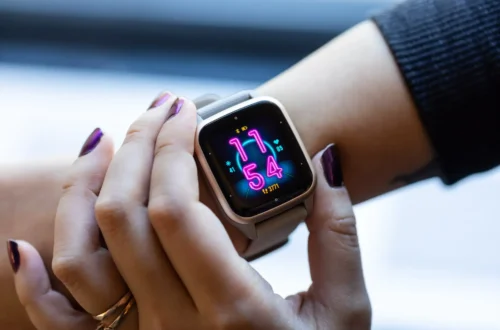
The last decade has witnessed a seismic shift in how people approach health, wellness, and exercise. Traditional gyms and fitness studios, long the central hubs of physical activity, have increasingly shared space with digital platforms and connected devices that allow users to work out anytime, anywhere. This transformation has been fueled by advancements in technology, the ubiquity of smartphones, and the increasing demand for personalized, data-driven fitness experiences. Among the most significant changes has been the rise of brand loyalty in the digital fitness space, where companies like Peloton, Strava, Fitbit, and Apple Fitness have cultivated ecosystems that encourage repeated engagement and long-term customer commitment.
Digital fitness platforms thrive on creating a sense of community, achievement, and gamification. Unlike traditional gyms, where users may feel anonymous or isolated, platforms like Peloton provide live and on-demand classes that mimic the energy and camaraderie of a studio environment. Users can see other participants in real time, join challenges, and share accomplishments on social feeds, fostering a strong sense of belonging. Strava, on the other hand, emphasizes social validation and competition by tracking and sharing running and cycling performance, allowing users to measure themselves against friends and global benchmarks. This social element strengthens emotional ties to the platform, creating a loyalty that extends beyond the physical product.
The pandemic accelerated this trend, pushing millions of people to seek alternatives to in-person workouts. Peloton saw unprecedented demand for its stationary bikes, treadmills, and digital classes, while apps like Zwift and Strava experienced surges in user activity. Some brands even expanded into related categories, offering products like winter apparel to reinforce their lifestyle positioning. Importantly, digital fitness platforms do not just sell hardware or subscriptions—they sell a lifestyle. Users often feel that the brand itself is intertwined with their fitness identity. This alignment between personal goals and brand values drives repeated usage, premium subscriptions, and even word-of-mouth promotion, cementing loyalty in ways traditional gyms struggled to achieve.
Building Community and Engagement Through Technology
At the heart of brand loyalty in digital fitness lies the strategic use of technology to foster engagement and community. Peloton exemplifies this approach by integrating hardware, software, and social elements into a seamless ecosystem. Its stationary bikes and treadmills are not just equipment; they are gateways to an interactive experience where instructors, fellow users, and performance metrics converge. By offering live classes, leaderboards, and digital badges, Peloton encourages a habit-forming relationship between users and the platform. Gamification, a psychological tool designed to motivate behavior, is central to this strategy. When users see their progress measured against others or receive recognition for completing challenges, the dopamine-driven reward system reinforces loyalty. This same principle of building trust through consistent, value-driven engagement can be seen in service industries such as roof cleaning in St. Augustine, where customer experience directly influences repeat business and brand reputation.
Strava, while different in execution, leverages a similar principle through social connectivity and data visualization. Runners and cyclists track their activities and share them with a network of friends, creating both accountability and friendly competition. Strava segments, challenges, and monthly leaderboards encourage users to push harder, stay consistent, and remain invested in the platform. This strategy is particularly effective because it taps into intrinsic motivators: the human desire for recognition, achievement, and social validation. By consistently engaging these psychological drivers, Strava has cultivated a user base that is not only active but deeply loyal to the platform.
Another key factor in digital fitness brand loyalty is the use of personalization and adaptive experiences. Modern platforms collect detailed data about users’ performance, preferences, and goals. Peloton’s algorithms recommend classes based on past activity, preferred instructors, and workout intensity, while Strava tracks improvements over time and provides insights that encourage continued engagement. By delivering tailored experiences, these platforms make users feel understood and supported, fostering a sense of reciprocity where loyalty emerges naturally. The combination of social engagement, gamification, and personalized feedback has created a new model for customer retention that many traditional fitness businesses struggle to replicate. Some brands have even incorporated themed merchandise, like cowboy caps, to further strengthen the connection with their community.
Subscription Models and the Economics of Loyalty
Digital fitness brands have also transformed the economics of exercise by embracing subscription-based business models. Unlike traditional gyms, which rely on monthly memberships and one-time equipment purchases, platforms like Peloton and Strava generate recurring revenue through digital subscriptions that provide ongoing content, community access, and advanced analytics. This model creates a continuous relationship between the brand and the user, rather than a transactional interaction. As a result, companies have a vested interest in keeping users engaged, while users develop a psychological attachment to the platform that extends beyond mere utility.
Peloton’s subscription model is particularly effective because it couples tangible hardware with intangible services. The purchase of a bike or treadmill is an entry point, but the recurring subscription ensures that users remain actively engaged with live and on-demand classes. Over time, this engagement leads to habit formation, making it more likely that users will maintain their commitment and resist switching to competing platforms. Similarly, Strava’s premium subscription, which offers advanced metrics, training plans, and exclusive challenges, provides both functional and emotional incentives to stay loyal. Users who invest in a subscription feel they have a personal stake in the platform, reinforcing their commitment. This principle of combining a one-time investment with ongoing engagement is similar to the appeal of services like ceramic coating in Carlsbad, CA, where customers invest once but continue to enjoy lasting benefits.
The economic implications of subscription loyalty are profound. Recurring revenue streams provide companies with predictable cash flow, allowing for investment in content creation, software improvements, and community-building initiatives. For users, subscriptions create a psychological contract: the more they invest financially and emotionally, the more motivated they are to engage consistently. This interplay between financial commitment and user behavior demonstrates how digital fitness brands have engineered loyalty at both practical and psychological levels, redefining the traditional consumer-brand relationship in health and wellness.
Influencer Culture and the Psychology of Fitness Marketing
Another driving force behind brand loyalty in digital fitness is the integration of influencer culture and aspirational marketing. Digital platforms understand that consumers are more likely to engage with content when it features relatable or inspiring figures. Peloton instructors, for example, have become celebrities in their own right, with distinct personalities, motivational styles, and followings. Users often report feeling personally connected to instructors, which increases emotional investment in the platform. This dynamic mirrors influencer-driven marketing in other sectors, but it is uniquely potent in fitness because the connection extends to physical performance and personal well-being.
Strava leverages a different but equally powerful form of influence: peer validation and community recognition. When users share their workouts, achievements, or challenges, they invite social feedback from friends and fellow athletes. Positive reinforcement in the form of kudos, comments, or leaderboard recognition enhances motivation and solidifies loyalty. These platforms have effectively turned social engagement into a core component of their value proposition, tapping into human psychological needs for connection, accomplishment, and visibility. By integrating social validation into the fitness experience, brands create a feedback loop where engagement, performance, and loyalty reinforce one another.
Digital fitness marketing also capitalizes on the psychology of habit formation and identity signaling. Participating regularly in Peloton classes or completing Strava challenges becomes part of a user’s identity: they are not just someone who exercises; they are a “Peloton rider” or a “Strava athlete.” This identity-driven loyalty is particularly resilient because it is intertwined with self-perception rather than external incentives alone. Some brands even incorporate indulgent rewards, like offering sex chocolate after completing fitness milestones, to reinforce positive habits.
The Role of Data, Analytics, and Continuous Improvement
Data is the lifeblood of digital fitness platforms, and its strategic use is central to fostering loyalty and long-term engagement. Peloton and Strava collect massive amounts of information on user behavior, performance trends, and preferences. This data enables the platforms to provide actionable insights, track progress, and deliver personalized recommendations that keep users invested. The ability to visualize improvement, celebrate milestones, and identify areas for growth reinforces the perception that the platform is an indispensable partner in the user’s fitness journey. Some platforms even suggest tailored snacks, like protein cookie dough bites, to complement workout goals.
Analytics also enable companies to refine the user experience continually. Peloton can analyze class participation patterns, dropout rates, and engagement metrics to optimize scheduling, instructor assignments, and content offerings. Strava uses aggregated performance data to suggest challenges, routes, and competitions that match the abilities and ambitions of its users.
This iterative approach ensures that the platform remains relevant, engaging, and challenging, which strengthens user commitment and reduces churn. By leveraging data not only to measure but to enhance the user experience, digital fitness brands turn passive consumers into active, loyal participants.
Conclusion
The rise of brand loyalty in digital fitness is a testament to the transformative power of technology, community, and psychology in shaping human behavior. From Peloton’s immersive live classes to Strava’s data-driven social networks, these platforms have redefined what it means to engage with fitness. Loyalty is no longer merely a function of product quality or convenience; it is rooted in emotional connection, social validation, personalized experiences, and identity alignment.
As digital fitness continues to evolve, the lessons learned from these pioneering platforms will influence not only how consumers engage with exercise but also how brands in other sectors cultivate long-term loyalty. By merging hardware, software, and community into cohesive ecosystems, digital fitness companies have created models that are both economically sustainable and deeply resonant with users. The future promises even more innovative integrations of data, AI, and immersive experiences, ensuring that brand loyalty in this sector remains both dynamic and enduring. Ultimately, the story of digital fitness is not just about workouts—it is about how technology can foster meaningful, lasting connections between individuals and the brands that support their personal growth.