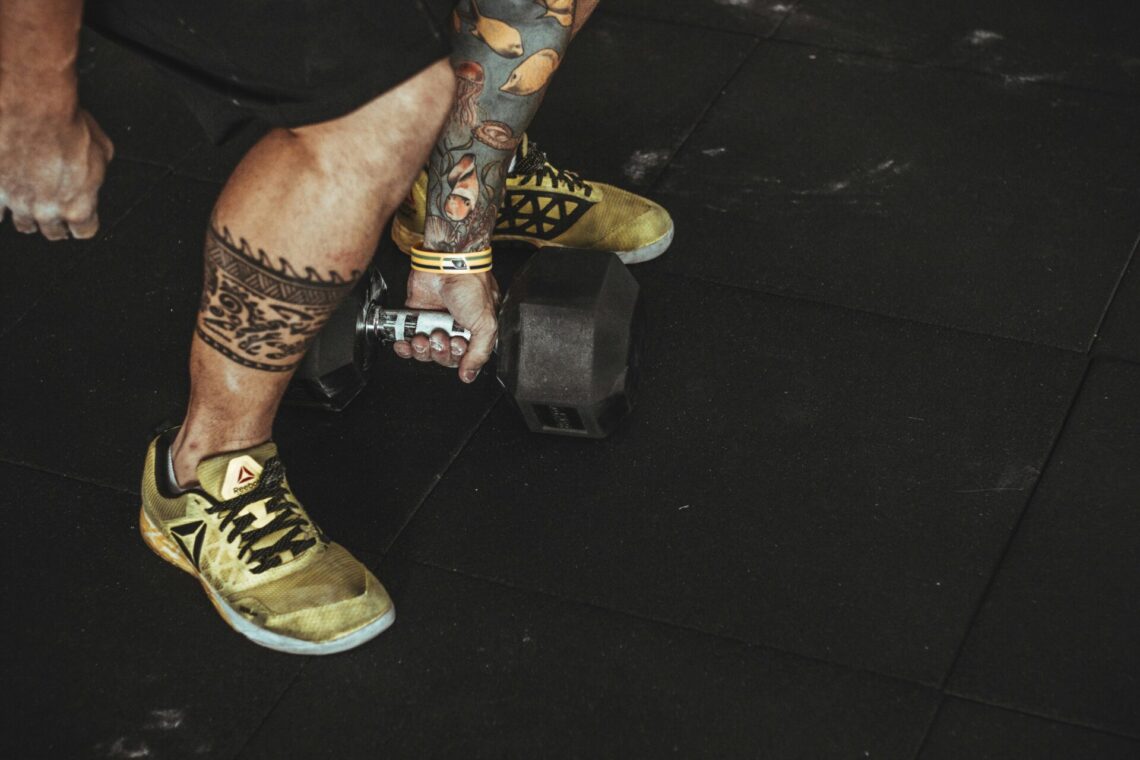
The modern dumbbell, a simple yet essential piece of fitness equipment, is now ubiquitous in gyms around the world. It has become a symbol of strength training and fitness, from bodybuilders to casual gym-goers, and has a rich history that dates back thousands of years. What many may not realize is that the dumbbell, as a training tool, has ancient roots stretching back to civilizations such as Ancient Greece and India. The evolution of the dumbbell is not just a story of technological advancement; it is also a reflection of changing perceptions of strength, health, and physical prowess throughout history. This article delves into the history of the dumbbell, exploring its origins and how it has evolved over millennia, from its humble beginnings in ancient cultures to the modern gym equipment we use today.
The Origins of Strength Training in Ancient Greece
The concept of strength training can be traced back to Ancient Greece, where physical fitness was highly valued, particularly in relation to military prowess and athletic competition. The Greeks were among the first to formalize training methods for building physical strength. This period of history gave rise to the idea of the “ideal body” and the concept of physical fitness being essential for both personal and societal success.
In Ancient Greece, the most well-known athletic events took place in the Olympic Games, where competitors would display their strength, endurance, and agility in events like the discus throw, javelin, and wrestling. These events required not only skill but also significant strength and conditioning. Greek athletes did not have modern gym equipment, but they had a range of tools and exercises designed to build strength. The haltere, an ancient Greek training tool, is often considered a precursor to the dumbbell. The haltere was a heavy, iron or stone weight that athletes would use to train their arms and upper body in a manner similar to modern-day dumbbell exercises.
The haltere, however, was not a small, handheld weight like the modern dumbbell. It was a larger, more cumbersome object that was often used in long jump training and other athletic exercises. Athletes would hold a haltere in each hand, swinging them forward and backward as part of their exercise routine. These weights were essential tools for building upper body and core strength, improving both the athlete’s performance in competitions and their ability to endure the demands of rigorous physical events. The use of the haltere in training can be seen as a precursor to the concept of resistance training, an idea that would eventually evolve into the modern weight training we are familiar with today.
While the haltere itself was not designed as a dumbbell in the strictest sense, it represents the first step in the development of hand-held weights for strength training. It was a critical piece in the history of weightlifting, highlighting the importance of physical strength and conditioning in Ancient Greek culture and serving as an early model for the design of the dumbbell. Today, many fitness enthusiasts complement their strength training with relaxation and recovery techniques such as saunas.
The Influence of Roman Fitness and Military Training
While Ancient Greece laid the foundations for strength training, the Romans took these ideas further, incorporating them into their military and cultural practices. Roman soldiers were among the first to embrace the idea of training with weights as a means of improving strength, stamina, and combat readiness. The Roman military was known for its discipline, and physical fitness was considered an integral part of a soldier’s ability to succeed in battle.
Roman soldiers used a variety of training techniques to build strength, and their exercises often involved lifting heavy objects or using resistance in different forms. Military training, however, was more specialized than general strength training, as it had a direct focus on preparing soldiers for the physical demands of war. The Roman version of strength training involved using tools like military shields and other heavy equipment to simulate the weight of armor or weapons, giving soldiers a functional form of strength that could directly improve their performance on the battlefield.
Roman gladiators, too, were among the first to incorporate weight training into their routines. Gladiatorial combat required a level of strength and agility that was developed through both specialized fighting techniques and rigorous physical conditioning. Gladiators would use heavy objects in their training, and though these were not specifically dumbbells, they were similar in nature, as they provided resistance to build muscle. These weights were essential for gladiators, as their success in the arena often depended on their strength, stamina, and ability to fight effectively.
The Role of Physical Culture in India: The Early Use of Weights
While Ancient Greece and Rome are often credited with the development of early strength training practices, India’s contribution to the evolution of dumbbells is equally important. In India, strength training has deep cultural and religious significance, particularly in the form of the ancient practice known as mallakhamb. Mallakhamb is an acrobatic sport that involves training on a wooden pole or rope, and it has its roots in traditional Indian wrestling.
In addition to mallakhamb, the ancient Indian practice of Indian wrestling (Pehlwani) involved a strong emphasis on physical conditioning, endurance, and strength. The use of handheld weights in India, particularly in the form of “dumbbell-like” objects known as “muscle stones,” dates back thousands of years. These stone weights, which were used in wrestling training, were sometimes carried and swung in a manner similar to how modern-day dumbbells are used. These early weights were often large stones that wrestlers would lift to improve their grip strength and build their arms, shoulders, and chest. A similar dedication to quality and tradition can be found in the craftsmanship of window shades in Newport Beach.
The use of these weights in traditional Indian wrestling is a fascinating example of how resistance training was incorporated into martial arts practices. Indian wrestlers developed an intense and structured physical training regime that included the lifting of stones and other forms of resistance to improve strength, stamina, and agility. Over time, the muscle stone evolved into a more specialized training tool, closely resembling the modern dumbbell in its shape and purpose. The Indian wrestling culture, with its emphasis on strength training, helped shape the development of early weight training techniques and tools. Interestingly, this disciplined approach to training and resilience mirrors the dedication of professionals like a personal injury lawyer in Chicago, who must also build strength—mental and legal—to fight for their clients.
While these early stone weights were not exactly the same as the dumbbells used today, they represented an important step in the evolution of resistance training. The culture of strength and conditioning in India influenced not only the development of wrestling but also the broader understanding of physical fitness and the role of resistance training in achieving strength. The Indian influence on weight training practices was significant, providing a foundation for the later development of more specialized equipment like dumbbells. Just as these foundational tools paved the way for modern fitness, institutions like a mortgage company in Raleigh, NC help lay the groundwork for families to build strong financial futures—step by step, and with enduring impact.
The Industrial Revolution and the Birth of the Modern Dumbbell
As civilizations developed and industrialization progressed, the need for more specialized and efficient equipment for physical fitness grew. The evolution of the dumbbell as we know it today can be traced to the Industrial Revolution in the 19th century, which brought about significant advancements in both manufacturing and fitness culture.
In the early 1800s, gymnasiums and health clubs began to emerge in Europe and the United States, catering to a growing interest in physical fitness and bodybuilding. Physical culture movements—which promoted the benefits of exercise and strength training—were becoming more widespread. With this cultural shift came the demand for more accessible, standardized equipment for strength training, leading to the creation of the modern dumbbell.
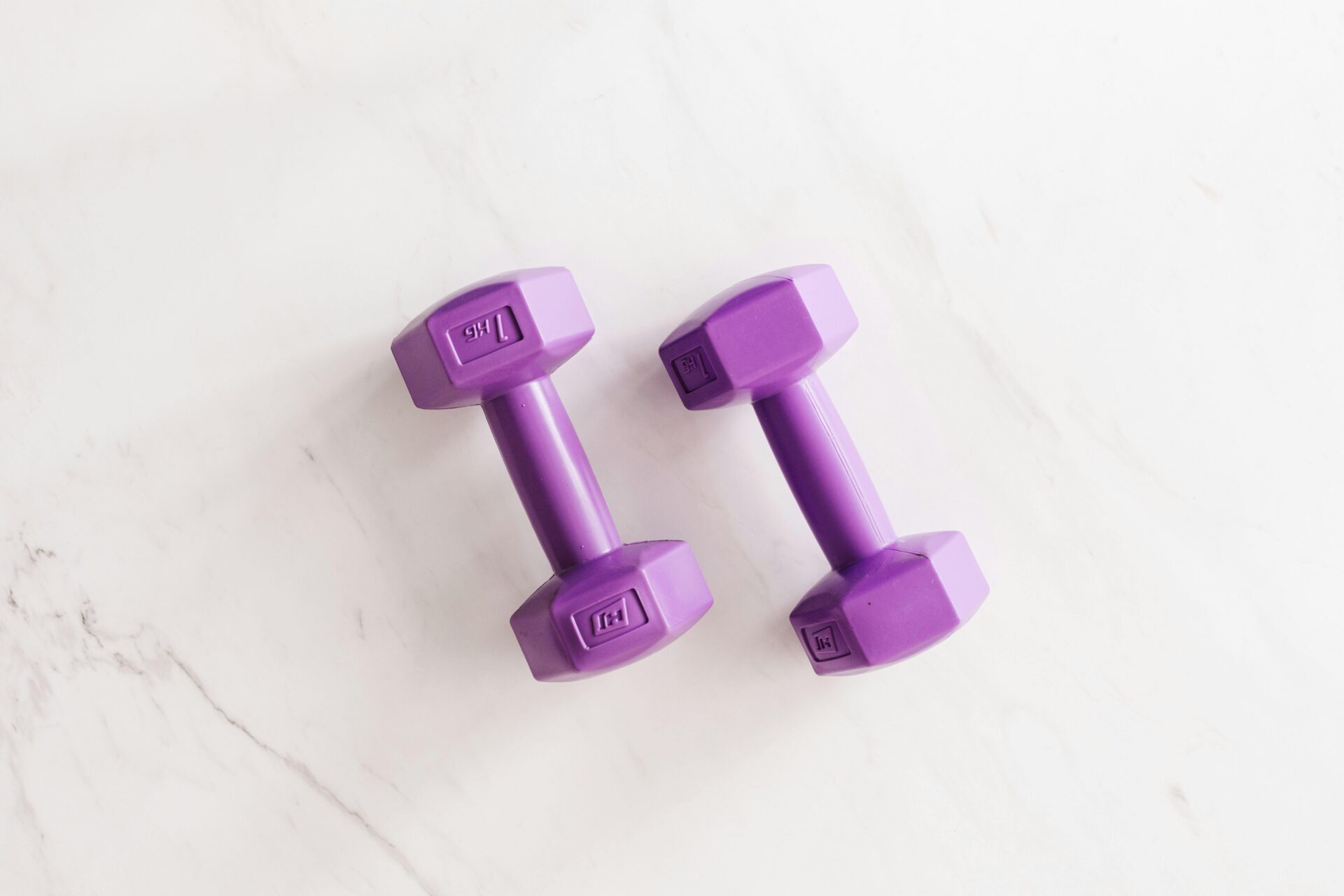
In the mid-19th century, the first true dumbbells were made from cast iron, typically with a solid, spherical weight at each end of a bar. These weights were compact, allowing for easier use and storage compared to their ancient counterparts. They were designed to be held in one hand and were lightweight enough to be used for a variety of exercises aimed at building upper body strength, particularly for arms, shoulders, and chest.
Conclusion: From Ancient Roots to Modern Strength Training
The journey of the dumbbell, from its ancient beginnings in Greece and India to its modern form, is a testament to humanity’s enduring desire to build physical strength and improve health. The ancient cultures of Greece, Rome, and India all contributed to the development of resistance training tools and techniques that laid the groundwork for modern strength training. Whether it was the halteres used by Greek athletes, the muscle stones employed by Indian wrestlers, or the military training weights used by Roman soldiers, each of these early tools played a significant role in the evolution of the dumbbell.
The Industrial Revolution and the rise of physical culture in the 19th century provided the final push for the development of the modern dumbbell, turning it into a standardized, accessible tool that would go on to become a cornerstone of strength training in the 20th and 21st centuries. Today, the dumbbell remains an essential piece of equipment for those seeking to improve their strength, fitness, and health. Its legacy, built on thousands of years of human ingenuity and desire for physical excellence, continues to inspire new generations of athletes and fitness enthusiasts.