The landscape of fitness is undergoing a transformative evolution, driven by advances in technology, changes in consumer behavior, and a growing emphasis on holistic well-being. As we look to the future of fitness, it is evident that new trends and innovations are not just reshaping how we work out but also redefining what it means to be healthy. From the rise of wearable technology to the increasing popularity of virtual and hybrid fitness models, these developments are setting the stage for a new era in exercise and wellness.
The Rise of Wearable Technology
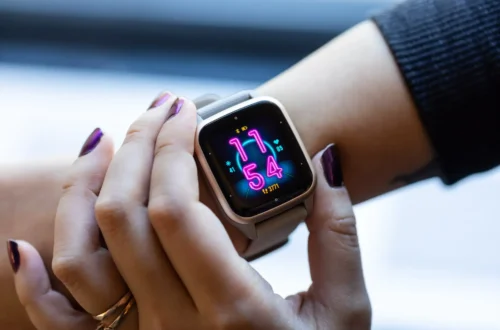
Wearable technology has revolutionized the way individuals engage with their fitness routines. Devices such as smartwatches, fitness trackers, and heart rate monitors allow users to track various health metrics, including heart rate, calorie burn, sleep patterns, and activity levels. This data-driven approach enables users to gain insights into their physical performance and health, leading to more informed decisions regarding their fitness goals.
The latest advancements in wearable technology focus on accuracy and user experience. For example, newer models feature advanced sensors that provide real-time feedback during workouts. This technology allows users to monitor their progress and adjust their intensity or technique on the fly. Wearables also promote accountability; users can set daily activity goals and receive notifications when they are close to achieving them. This gamification of fitness fosters a sense of accomplishment and encourages users to stay active.

Moreover, wearable technology has expanded beyond fitness enthusiasts to include everyday individuals seeking to improve their health. Many devices now offer personalized recommendations based on collected data, tailoring fitness and wellness advice to individual users. For instance, a smartwatch might suggest a specific type of workout based on previous performance data or remind the user to take breaks and move during a long period of sitting. This personalization enhances user engagement, making fitness more accessible and appealing to a broader audience.
The future of wearable technology also lies in its integration with other health and wellness platforms. Many fitness apps now sync with wearables, creating comprehensive ecosystems that provide holistic health tracking. Users can access workouts, nutrition plans, and community support, all while receiving real-time feedback from their devices. This interconnected approach is likely to grow, as consumers increasingly seek integrated solutions for managing their health and fitness journeys.
Virtual and Hybrid Fitness Models
The COVID-19 pandemic catalyzed a significant shift in the fitness industry, leading to the rapid growth of virtual and hybrid fitness models. As gyms closed and social distancing measures took effect, many fitness instructors and enthusiasts turned to online platforms to maintain their workout routines. This shift has permanently altered how people access fitness, leading to an explosion of virtual classes, online coaching, and fitness streaming services.
Virtual fitness offers unparalleled flexibility. Users can participate in live classes, watch recorded sessions, or follow structured programs from the comfort of their homes. This accessibility has made it easier for individuals to incorporate fitness into their daily lives, breaking down barriers such as time constraints or geographical limitations. With just a few clicks, users can connect with top trainers and explore diverse workout styles, from yoga and Pilates to high-intensity interval training (HIIT) and dance.
Hybrid fitness models, which combine in-person and online experiences, are becoming increasingly popular. Gyms and studios are adapting by offering live-streamed classes alongside traditional in-person workouts. This model not only attracts new members who may be hesitant to return to gyms but also provides existing members with more options. The hybrid approach caters to various preferences, allowing users to choose how they want to engage with their workouts.
As this trend continues, the technology supporting virtual fitness will also evolve. Enhanced streaming capabilities, better user interfaces, and the incorporation of augmented reality (AR) and virtual reality (VR) will create immersive workout experiences. For example, VR workouts can transport users to scenic landscapes while they exercise, making workouts feel more like an adventure than a chore. This kind of innovative approach not only keeps users engaged but also helps combat workout monotony. Companies in the fitness industry can greatly benefit from collaborating with experts in engineering services.
Community and Social Engagement
As fitness evolves, the emphasis on community and social engagement is becoming more pronounced. The isolation experienced during the pandemic has highlighted the importance of connection, and fitness communities have stepped up to provide support, motivation, and camaraderie. Social media platforms, fitness apps, and online forums have become vital spaces for sharing experiences, challenges, and successes.
The sense of belonging that fitness communities provide can significantly enhance motivation and adherence to workout routines. Online platforms allow users to connect with others who share similar goals and interests, fostering a supportive environment. Many fitness apps incorporate social features, such as leaderboards, challenges, and group workouts, encouraging friendly competition and accountability among members. This gamification aspect helps keep users engaged and motivated, as they can see their progress relative to others. Embracing this community-driven approach can also be seen in initiatives like network planning in San Antonio.
In-person communities are also experiencing a resurgence. Gyms and studios are focusing on creating inviting spaces that promote interaction among members. Group classes, workshops, and community events allow individuals to meet others, share their fitness journeys, and form friendships. This social element is crucial in making fitness enjoyable and sustainable.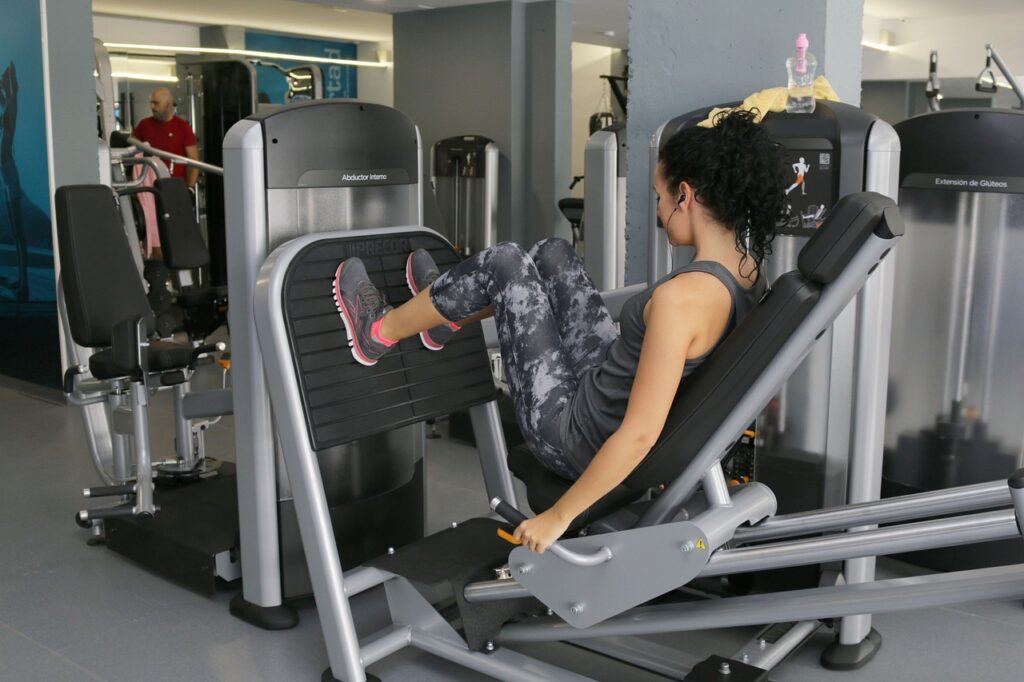
Furthermore, brands and organizations are recognizing the power of community engagement. Initiatives such as charity runs, fitness challenges, and group fundraisers not only encourage physical activity but also foster a sense of purpose among participants. These events help individuals connect with larger causes, creating a shared experience that extends beyond personal fitness goals.
As the future of fitness unfolds, the emphasis on community will likely continue to grow. Fitness brands and studios that prioritize social engagement will resonate with consumers, as the desire for connection and support becomes increasingly central to the fitness experience.
Personalized Fitness Experiences
The future of fitness is increasingly moving towards personalization, with tailored experiences becoming the new norm. Consumers are recognizing that one-size-fits-all approaches to fitness often fail to meet their unique needs, preferences, and goals. As a result, fitness technology and services are evolving to offer personalized workout plans, nutrition advice, and wellness programs that cater to individual users.
Personalization in fitness can take many forms. For instance, fitness apps now utilize algorithms to create customized workout routines based on users’ goals, fitness levels, and preferences. By analyzing data collected from wearables and user interactions, these apps can provide recommendations that evolve over time, ensuring that individuals remain challenged and engaged. This level of customization fosters a deeper connection between users and their fitness journeys, as they can see tangible progress and feel more invested in their routines. These advancements are made possible thanks to the creativity and innovation of product developers.
Nutrition also plays a crucial role in personalized fitness. With an increasing understanding of the link between diet and performance, many fitness platforms are now integrating nutrition tracking and meal planning. Users can receive tailored meal suggestions based on their fitness goals, dietary preferences, and health conditions. This comprehensive approach encourages individuals to view fitness holistically, recognizing that exercise and nutrition go hand in hand.
In addition, the concept of personalized coaching is gaining momentum. Many trainers and fitness professionals are offering one-on-one virtual coaching sessions that provide individualized attention and guidance. This direct interaction allows coaches to assess clients’ progress, make necessary adjustments to their programs, and provide motivation and accountability. The rise of virtual coaching means that expert guidance is no longer limited by geography, making high-quality fitness support accessible to a broader audience. For those interested in enhancing their outdoor spaces, there’s also great value in partnering with a reputable fence company in Tennessee to achieve quality results.
As the demand for personalization continues to grow, fitness brands that embrace technology and data-driven approaches will likely thrive. The ability to deliver tailored experiences not only enhances user satisfaction but also helps foster long-term loyalty, as individuals feel their unique needs are being met.

Conclusion: Embracing the Future of Fitness
The future of fitness is an exciting landscape characterized by innovation, personalization, and a growing emphasis on community and sustainability. As technology continues to advance, individuals are empowered to take control of their health and fitness journeys in ways previously unimaginable. From wearable technology that tracks performance to virtual fitness models that offer flexibility and accessibility, the evolution of fitness is reshaping how we view health and wellness. Embracing this change can also benefit from the expertise of skilled shopify developers.
As consumers increasingly seek meaningful experiences, the focus on community engagement and social interaction within the fitness sphere will play a vital role in fostering motivation and accountability. Simultaneously, the movement toward sustainability will shape consumer choices and influence brands to adopt environmentally responsible practices.
Ultimately, the future of fitness will be defined by its ability to adapt to the needs and preferences of a diverse audience. Those who embrace these trends and innovations will not only thrive in the evolving landscape but also contribute to a broader cultural shift toward health and well-being. In this ever-changing world, the commitment to improving individual and collective health remains a constant, guiding us toward a future where fitness is more than just a routine—it’s a lifestyle. For those exploring fitness opportunities in new locations, consider the convenience of rent a car in Belgrade.