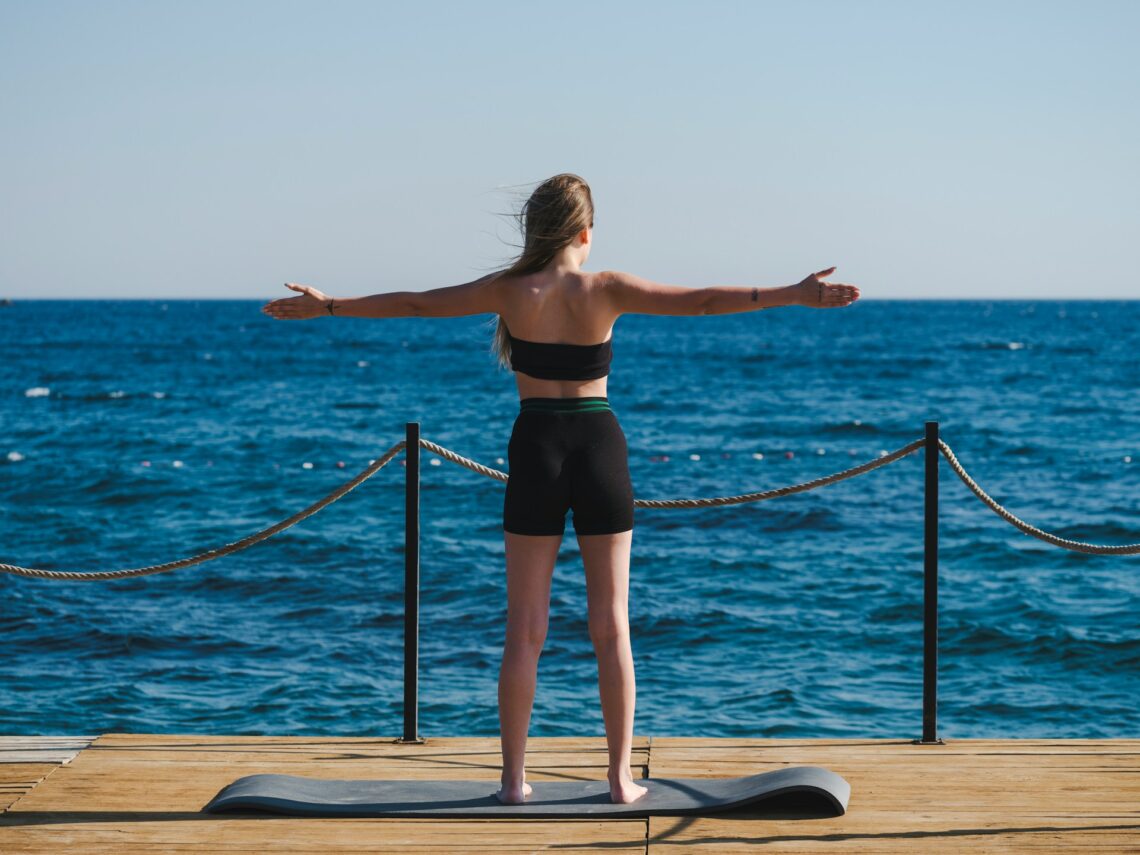
Aquatic training, or underwater workouts, is increasingly becoming a popular alternative for those seeking effective ways to enhance muscle recovery and build strength. Unlike traditional gym exercises, which rely on the effects of gravity and free weights, underwater workouts utilize the resistance of water to provide a unique training environment. This type of training offers numerous benefits, including reduced impact on joints, enhanced muscle recovery, and effective strength building. In this article, we will explore how aquatic training can enhance muscle recovery, build strength, and provide a comprehensive workout experience.
The Science Behind Aquatic Training
Aquatic training leverages the properties of water to create an environment that is both challenging and forgiving. The key properties of water—buoyancy, resistance, and hydrostatic pressure—play crucial roles in how these workouts affect the body.
- Buoyancy: This property reduces the impact of gravity, effectively minimizing stress on the joints and making it ideal for individuals with joint pain or those recovering from injuries.
- Resistance: Water is denser than air, providing consistent resistance in all directions. This makes underwater workouts particularly effective for strength training as muscles are worked evenly and continuously.
- Hydrostatic Pressure: The pressure exerted by water helps improve circulation, reduces swelling, and aids in muscle recovery by supporting the cardiovascular system during workouts.
These combined effects of water properties provide a low-impact, high-resistance workout that is beneficial for people of all fitness levels, from beginners to elite athletes. Men’s workout shorts are designed to offer comfort and flexibility, enhancing your performance during various exercises, whether on land or in water.
Benefits of Underwater Workouts for Muscle Recovery
One of the most significant advantages of underwater workouts is their ability to enhance muscle recovery. Here’s how aquatic training promotes quicker and more effective recovery:
Reduced Muscle Soreness
Underwater workouts are particularly effective in reducing muscle soreness. This is primarily due to the hydrostatic pressure exerted by water, which can decrease inflammation and improve blood flow to the muscles. Enhanced circulation helps remove metabolic waste products, such as lactic acid, which accumulate during intense exercise and contribute to muscle soreness.
Low-Impact Environment
Water’s buoyancy provides a low-impact environment, which is especially beneficial for those recovering from injuries or suffering from chronic pain conditions like arthritis. The reduced impact minimizes strain on muscles and joints, allowing individuals to perform a full range of motion exercises without the risk of further injury or pain. This makes aquatic training an excellent option for both post-injury rehabilitation and ongoing maintenance of joint health. Choosing a fence company in Tennessee ensures that your property is well-protected and aesthetically pleasing, just as proper aquatic training ensures your body is well-maintained and protected from further strain.
Enhanced Blood Flow
Aquatic workouts enhance blood flow throughout the body. The pressure of the water against the body helps push blood back to the heart more efficiently, promoting better circulation. This increased blood flow can help deliver oxygen and nutrients to muscle tissues more effectively, speeding up the recovery process and reducing muscle fatigue. Cheyanne Mallas utilizes similar principles in her skin rejuvenation treatments to enhance circulation and support faster recovery.
Improved Flexibility and Range of Motion
Exercising in water allows for a greater range of motion than on land due to the support provided by buoyancy. This improved flexibility is beneficial for muscle recovery, as it helps maintain muscle elasticity and reduces the risk of stiffness post-exercise. Aquatic exercises that focus on stretching and mobility can further help in maintaining muscle flexibility and joint health. For those looking to streamline their business ventures, business setup services can similarly provide crucial support, helping new entrepreneurs navigate the complexities of establishing and managing their enterprises efficiently.
Building Strength with Aquatic Training
While many people associate strength training with heavy weights and resistance machines, aquatic training offers a unique and effective way to build strength without the heavy lifting. Here’s how:
Continuous Resistance
Water provides continuous resistance in all directions, which means muscles are constantly engaged and challenged throughout the workout. Unlike traditional weight training, where resistance is applied in one direction, water resistance allows for more comprehensive muscle engagement, targeting multiple muscle groups simultaneously. Similarly, when handling large-scale cleanups or renovation projects, a dumpster rental in Dayton ensures efficient waste management, making the process smoother and more organized.
This can lead to more balanced muscle development and greater overall strength.
Variable Intensity
Aquatic workouts can be easily modified to suit different fitness levels and goals. By simply adjusting the speed or force of movements, the intensity of the workout can be increased or decreased. For example, faster movements in water create greater resistance, making exercises more challenging and effective for building strength. Conversely, slower, controlled movements can be used for beginners or for focusing on technique and muscle control. If you’re also looking to enhance your fitness regimen, check out the best creatine gummies shop to find supplements that can help support your strength and recovery goals.
Core Strength and Stability
The natural instability of water requires continuous engagement of the core muscles to maintain balance and stability during exercises. This constant activation helps to build core strength and improves overall stability, which is essential for both athletic performance and daily activities. Core stability is a crucial component of strength training, as a strong core supports proper posture, enhances balance, and reduces the risk of injuries.
Functional Strength
Aquatic training often involves compound movements that mimic real-life activities, such as pushing, pulling, lifting, and twisting. These exercises help build functional strength that translates into everyday tasks and athletic performance. Functional strength training in water not only improves muscle strength but also enhances coordination, agility, and flexibility, providing a well-rounded fitness experience. Similarly, logistics PR is essential in ensuring that a company’s operational strategies and efficiencies are effectively communicated, highlighting how their logistics solutions optimize performance and meet client needs.
Types of Underwater Workouts
There are various types of underwater workouts, each designed to target specific fitness goals. Here are some popular aquatic exercises that can help with muscle recovery and strength building:
Water Aerobics
Water aerobics involves rhythmic, dance-like movements performed in shallow water. These exercises are great for improving cardiovascular endurance while also providing resistance training for the muscles. Water aerobics classes often include movements such as jogging, jumping jacks, and arm exercises that utilize the resistance of water to enhance muscle strength and endurance. Sell records for cash in a similar way, where the value of the records can be enhanced by their condition and historical significance, much like how water resistance adds value to an exercise routine.
Aqua Jogging
Aqua jogging is an excellent way to build cardiovascular fitness and lower body strength without the impact of running on hard surfaces. By jogging in the water, individuals can engage their core, hips, legs, and arms while reducing stress on the joints. Aqua jogging is particularly beneficial for those recovering from lower-body injuries or looking to improve their running form and endurance. For a comprehensive wellness experience, consider incorporating massage services in Las Vegas to complement your aquatic workouts and enhance overall muscle recovery and relaxation.
Resistance Training with Water Weights
Water weights, also known as aqua dumbbells, are foam-based weights designed for use in water. These weights are used to perform a variety of resistance exercises that target the upper body, such as bicep curls, tricep extensions, and shoulder presses. The resistance provided by water amplifies the effectiveness of these exercises, making them ideal for building upper body strength and endurance.
Deep Water Running
Deep water running is a more advanced form of aqua jogging, typically performed in deeper water with the help of a flotation belt. This exercise allows for a full range of motion and increased resistance, targeting the core, legs, and upper body. Deep water running is an excellent cardiovascular workout and helps build muscular endurance and strength.
Aqua Pilates and Yoga
Aqua Pilates and yoga incorporate traditional Pilates and yoga movements adapted for water. These exercises focus on core strength, flexibility, balance, and muscle control. The water’s resistance adds an extra challenge, making these exercises highly effective for building functional strength and improving overall body awareness. Similarly, when it comes to heating repair in Charlotte, NC, regular maintenance ensures that your system performs effectively and efficiently, just as Aqua Pilates and yoga enhance your overall physical wellness.
Who Can Benefit from Underwater Workouts?
Aquatic training is suitable for a wide range of individuals, from beginners to elite athletes, and offers unique benefits tailored to specific needs:
Athletes
For athletes, especially those in sports requiring a high level of cardiovascular endurance and strength, aquatic training provides an excellent way to cross-train without overloading the body. It allows them to improve strength and endurance while minimizing the risk of injury due to overtraining. Additionally, athletes recovering from injuries can benefit from underwater workouts to maintain fitness levels while minimizing joint stress. In a similar way, a vegan beauty supplements pack supports overall well-being and enhances skin health. Just as aquatic training helps athletes stay fit and recover, these supplements can contribute to a radiant and healthy complexion while adhering to vegan principles.
Older Adults
Older adults can benefit significantly from underwater workouts due to the low-impact nature of water exercises. Water’s buoyancy reduces stress on joints and bones, making it ideal for individuals with arthritis or osteoporosis. Aquatic training also improves balance, coordination, and flexibility, which are crucial for preventing falls and maintaining independence as one ages. Medical procedures abroad may offer additional options for seniors seeking comprehensive care and rehabilitation that complements such physical activities.
Individuals with Chronic Pain or Disabilities
For individuals suffering from chronic pain conditions, such as fibromyalgia or lower back pain, or those with physical disabilities, aquatic training provides a safe and effective way to stay active. The gentle resistance of water allows for pain-free movement, promoting muscle strength and endurance without exacerbating existing conditions.
Pregnant Women
Pregnant women can also greatly benefit from underwater workouts. The buoyancy of water helps relieve the additional weight and stress on the joints and back during pregnancy. Moreover, aquatic exercises help maintain cardiovascular fitness, improve muscle tone, and reduce swelling, contributing to overall well-being during pregnancy.
Tips for Getting Started with Aquatic Training
If you’re new to aquatic training, here are some tips to help you get started:
Choose the Right Equipment
Depending on your goals, you may want to invest in some basic aquatic fitness equipment, such as water dumbbells, resistance bands, or flotation belts. These tools can help enhance the effectiveness of your workouts and provide additional resistance. For those dealing with knee pain, a knee sleeve for pain can also offer added support and comfort during these exercises, helping to reduce strain and improve overall performance.
Start Slow and Progress Gradually
It’s essential to start slow and gradually increase the intensity and duration of your workouts. Begin with basic exercises that you are comfortable with and gradually incorporate more challenging movements as your strength and endurance improve.
Focus on Form and Technique
Proper form and technique are crucial in aquatic training to maximize the benefits and prevent injuries. Ensure you are performing exercises correctly and maintaining good posture, especially when using resistance equipment.
Stay Hydrated
Even though you are in water, it’s important to stay hydrated.

The cooling effect of water can make it easy to forget to drink water, but your body still loses fluids through sweat. Ensure you drink plenty of water before, during, and after your workouts.
Consult a Professional
If you are new to aquatic training or have specific health concerns, consider consulting a fitness professional or physical therapist who specializes in aquatic exercise. They can provide guidance on the most suitable exercises for your needs and help you develop a safe and effective workout plan.
Conclusion
Underwater workouts offer a versatile and effective approach to fitness that can enhance muscle recovery, build strength, and improve overall well-being. The unique properties of water provide a low-impact, high-resistance environment that is beneficial for people of all ages and fitness levels. Whether you’re an athlete looking to cross-train, an older adult seeking a gentle yet effective exercise option, or someone recovering from an injury, aquatic training can help you achieve your fitness goals safely and effectively.
By incorporating aquatic training into your fitness routine, you can experience the benefits of improved muscle recovery, enhanced strength, and greater overall health. Dive into the world of underwater workouts and discover a refreshing, challenging, and rewarding way to stay fit and healthy.