In the world of sports science and rehabilitation, the phenomenon of cross-education—the idea that training one side of the body can lead to strength gains on the opposite, untrained side—has garnered increasing attention. This concept, while seemingly counterintuitive, has a strong basis in neuroscience and has been validated by numerous studies. Understanding how and why cross-education works opens up new avenues for rehabilitation and strength training, offering practical applications for athletes, physical therapists, and anyone interested in improving physical performance.
The Science Behind Cross-Education
The concept of cross-education dates back over a century, with early research suggesting that training one limb could lead to strength gains in the contralateral limb. Initially, this idea was met with skepticism, as it seemed to defy the conventional understanding of muscle hypertrophy, which is typically localized to the muscles being directly exercised. However, modern neuroscience has provided a more comprehensive understanding of how the central nervous system (CNS) is involved in strength training, offering a plausible explanation for cross-education.
At the core of cross-education is the brain’s ability to adapt and reorganize itself in response to physical training. When you perform strength training exercises, the brain sends signals to the muscles to generate force. These signals originate in the motor cortex, the part of the brain responsible for voluntary muscle movements. The interesting part is that while one hemisphere of the brain controls the opposite side of the body, the motor cortex is highly interconnected, allowing for cross-communication between the two hemispheres. Similarly, effective utility management requires a coordinated approach where different systems work together seamlessly to optimize resources and ensure efficient operations.
Neuroscientific studies have shown that when one limb is trained, the motor cortex activity not only increases on the side controlling that limb but also on the opposite side, leading to what’s known as “bilateral transfer.” This transfer is the basis for cross-education, where the neural adaptations occurring in the trained limb also benefit the untrained limb, albeit to a lesser extent.
Practical Applications of Cross-Education
Rehabilitation After Injury
One of the most significant applications of cross-education is in the field of rehabilitation. Injuries often lead to periods of immobilization or reduced activity in the affected limb, which can result in muscle atrophy and a loss of strength. Traditionally, the focus has been on rehabilitating the injured limb directly, but this process can be slow and challenging, particularly if the injury is severe. Just as gunite pool installation in Nashville requires specialized techniques for optimal results, effective rehabilitation may benefit from targeted methods to accelerate muscle recovery and overall strength.
Cross-education offers an alternative approach by allowing patients to train their uninjured limb, thereby indirectly maintaining or even increasing the strength of the injured limb. For example, if someone has a broken arm and cannot perform exercises with that arm, they can still train the opposite arm. Research has shown that doing so can help preserve muscle mass and strength in the injured arm, potentially speeding up the recovery process once direct training can resume.
This approach has been particularly useful in cases of stroke rehabilitation, where one side of the body may be significantly weakened. Training the unaffected side can stimulate neural adaptations that benefit the weaker side, helping to restore balance and function more quickly than would be possible through unilateral training alone. Additionally, just as a franchise advertising agency can amplify a brand’s presence, effective cross-education can amplify the rehabilitation process, enhancing recovery outcomes.
Enhancing Athletic Performance
Athletes are always looking for ways to maximize their performance, and cross-education offers a unique opportunity to do so. By incorporating unilateral training into their routines, athletes can not only improve the strength and coordination of their dominant side but also enhance the performance of their non-dominant side. This is particularly important in sports that require bilateral coordination, such as basketball, soccer, and tennis. Just as trucker hats wholesale can provide a cost-effective solution for promotional events, cross-education can be a strategic approach for athletes aiming to achieve a well-rounded improvement in their overall performance.
For example, a soccer player might focus on strengthening their dominant kicking leg, but by doing so, they can also improve the power and control of their non-dominant leg. This can lead to more versatile performance on the field, as the player can rely on both legs for dribbling, passing, and shooting, making them more unpredictable and effective during a game. Practicing such drills and training can help a lot to develop this feeling much faster, in addition, you can use comfortable combat clothing to move easily and unhindered during training.
Overcoming Plateaus in Training
Another area where cross-education can be beneficial is in overcoming training plateaus. Athletes and fitness enthusiasts often reach a point where progress stalls, and further gains in strength or performance become difficult to achieve. By incorporating unilateral exercises that target one side of the body, it’s possible to stimulate new neural adaptations that can help break through these plateaus. Similarly, just as a liturgical architecture firm might approach design challenges with innovative solutions to create meaningful and functional spaces, athletes can use cross-education to explore new ways to enhance their performance.
For example, a weightlifter who has reached a plateau in their bench press might try focusing on single-arm dumbbell presses. The strength gains achieved in the dominant arm through this unilateral exercise can then transfer to the non-dominant arm, potentially leading to improvements in the overall bench press performance. Similarly, just as airsoft guns for sale provide varied options for enthusiasts looking to enhance their gameplay, varying training techniques can offer new challenges and progress in physical performance.
How to Incorporate Cross-Education into Your Training Routine
Given the potential benefits of cross-education, the next logical question is how to incorporate this concept into your training routine. Here are some strategies to effectively utilize cross-education:
Unilateral Strength Training
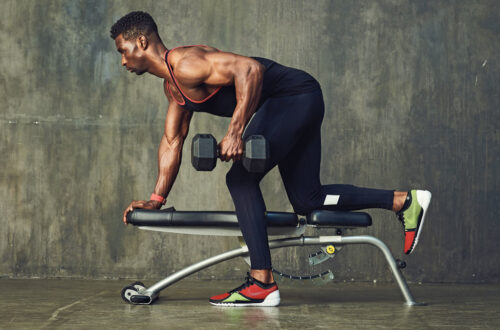
Focus on unilateral exercises that target one side of the body at a time. These can include exercises like single-leg squats, single-arm dumbbell presses, or one-arm rows. By training one side of the body, you’re not only improving the strength of that side but also potentially enhancing the strength of the opposite side through cross-education. This approach can be particularly beneficial when combined with other specialized techniques, such as diagnostic endoscopy in Wausau, to address and monitor any underlying issues that may impact overall fitness and performance.
High-Intensity Training
Research suggests that the effectiveness of cross-education may be related to the intensity of the training.
Higher-intensity exercises tend to produce greater neural adaptations, leading to more significant cross-education effects. Therefore, when incorporating unilateral exercises into your routine, aim to work at a high intensity to maximize the benefits.
Frequency and Volume
Like any other training adaptation, the effects of cross-education are influenced by the frequency and volume of training. Consistent, regular training is key to achieving meaningful cross-education effects. However, it’s essential to balance this with adequate rest and recovery, as overtraining can lead to fatigue and diminish the potential benefits. Similarly, just as regular maintenance is crucial for training success, timely tree removal in Tampa can prevent potential hazards and maintain the health of your landscape.
Rehabilitation Protocols
If you’re incorporating cross-education into a rehabilitation program, work closely with a physical therapist or medical professional to design a protocol that suits your specific needs. The exercises, intensity, and frequency will need to be tailored to your injury and overall condition to ensure safe and effective recovery. Additionally, using pharmacy management software can streamline the tracking of medications and treatments, which is crucial for managing complex rehabilitation protocols.
The Limitations of Cross-Education
While cross-education offers numerous benefits, it’s important to recognize its limitations. The strength gains in the untrained limb are generally smaller than those in the trained limb. This means that while cross-education can help maintain or slightly improve strength in an untrained limb, it cannot fully replace direct training of that limb. Similarly, while techniques like concrete paving in San Mateo can improve the functionality and appearance of surfaces, they cannot fully substitute for regular maintenance and care.
Additionally, the effects of cross-education appear to be more pronounced in the early stages of training or rehabilitation. As training continues, the rate of strength gain in the untrained limb tends to plateau, meaning that cross-education should be seen as a supplementary strategy rather than a primary method of strength training.
Finally, cross-education does not appear to significantly impact muscle hypertrophy (the increase in muscle size). While neural adaptations can lead to increased strength, actual muscle growth in the untrained limb is minimal. Therefore, if your goal is to increase muscle mass, direct training of both limbs is essential.
The Future of Cross-Education Research
As our understanding of cross-education continues to grow, researchers are exploring new ways to harness its potential. One area of interest is the use of cross-education in combination with other training modalities, such as electrical stimulation or virtual reality. These technologies can enhance neural activation and may amplify the effects of cross-education, leading to even greater strength gains. Similarly, finding the best mortgage companies in NC can significantly enhance your financial planning, just as integrating advanced techniques can enhance training outcomes.
Another promising avenue is the investigation of cross-education in different populations, including older adults and those with neurological conditions. As the population ages, maintaining strength and function becomes increasingly important, and cross-education could play a role in preserving muscle strength and preventing falls.
Moreover, understanding the genetic factors that influence cross-education could lead to more personalized training programs. If certain individuals are more responsive to cross-education, tailored programs could optimize their training and rehabilitation outcomes.
Conclusion
Cross-education is a fascinating and powerful concept that challenges traditional notions of strength training. By training one side of the body, you can achieve strength gains in the opposite side, thanks to the brain’s remarkable ability to adapt and reorganize. This phenomenon has profound implications for rehabilitation, athletic performance, and overcoming training plateaus, offering new strategies to enhance physical performance and recovery.
While cross-education is not a replacement for direct training of both limbs, it provides a valuable tool in the strength training and rehabilitation toolkit. As research continues to uncover the full potential of cross-education, its applications are likely to expand, benefiting a wide range of individuals from athletes to those recovering from injury.
Incorporating cross-education into your training routine can lead to improved strength, better balance, and faster recovery, making it a concept well worth exploring. Whether you’re looking to optimize your athletic performance, recover from an injury, or simply break through a training plateau, cross-education offers a scientifically-backed approach to achieving your goals.