
In the world of acting, transforming into a character involves more than memorizing lines and perfecting accents. Physical transformation is a crucial element that can make or break an actor’s performance. This transformation often requires rigorous gym training to align the actor’s body with the character they are portraying. Whether it’s building muscle, losing weight, or simply enhancing physical endurance, the gym plays an essential role in this metamorphosis.
The Commitment to Authenticity

Actors who undergo physical changes for a role demonstrate a profound commitment to authenticity. This commitment is not just about looking the part but also about feeling and moving like the character. For instance, when an actor takes on the role of a superhero, they must embody the strength and agility that the character demands. Similarly, portraying a historical figure might require a different kind of physicality, one that is true to the period and the individual’s lifestyle.
The Role of Personal Trainers
To achieve these physical transformations, actors often enlist the help of personal trainers who specialize in preparing clients for specific roles. These trainers design tailored workout programs that focus on the desired outcomes. For example, when Chris Hemsworth was preparing for the role of Thor, he worked with a trainer to develop a workout routine that would build the impressive musculature associated with the Norse god.
Personal trainers play a vital role in ensuring that the actors’ workouts are effective and safe. They help actors push their limits while preventing injuries that could delay filming. These trainers also provide nutritional guidance, ensuring that the actors’ diets support their physical goals.
Iconic Transformations
Christian Bale: The Master of Transformation
Christian Bale is perhaps one of the most well-known actors for his dramatic physical transformations. For his role in “The Machinist,” Bale lost a staggering 60 pounds, achieving an emaciated appearance that was crucial for his character. Shortly after, he transformed his body again for “Batman Begins,” gaining over 100 pounds of muscle to become the iconic superhero. Bale’s dedication to these transformations is a testament to the lengths actors will go to for their craft.
Charlize Theron: From Supermodel to Serial Killer
Charlize Theron’s transformation for the film “Monster” is another remarkable example. Theron gained 30 pounds and underwent a significant physical change to portray serial killer Aileen Wuornos. This transformation was not just about weight gain; it involved changing her posture, gait, and overall physical demeanor to authentically represent Wuornos. Theron’s commitment to this transformation earned her an Academy Award, highlighting the impact of physical training and transformation on an actor’s performance. To unwind from such intense roles, Theron has mentioned enjoying a full body massage in Las Vegas, which helps her relax and rejuvenate.
The Science Behind the Transformation
Transforming one’s body for a role is not just about lifting weights or running miles. It’s a science that involves understanding the body’s physiology and how it responds to different types of training and nutrition. Actors often work with dietitians and physiologists to create comprehensive plans that ensure they achieve their goals efficiently and sustainably. For instance, when preparing for a role that requires a significant physical transformation, such as playing a professional athlete or a historical figure, actors may also consult experts in specialized areas like rodent control in Tallahassee, ensuring every aspect of their preparation is meticulously managed.
Building Muscle
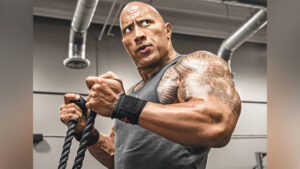
For roles that require significant muscle gain, actors typically engage in hypertrophy training, which involves lifting heavy weights with moderate to high repetitions. This type of training stimulates muscle growth by causing microscopic damage to the muscle fibers, which then repair and grow stronger. Nutrition plays a crucial role here, with a focus on high protein intake to support muscle repair and growth. In addition to physical training, maintaining comfort on set is key, which is why actors often appreciate personalized robes for men to relax between scenes.
Losing Weight
When actors need to lose weight, the approach often involves a combination of cardiovascular exercise and calorie restriction. High-intensity interval training (HIIT) is a popular choice because it burns a significant number of calories in a short period and continues to do so even after the workout is over. Diet plans for weight loss usually involve reducing caloric intake while ensuring the actor gets enough nutrients to maintain energy levels and health. For actors managing their weight while on specific medications, consulting with a long-term care pharmacy can provide tailored solutions to ensure health and performance are optimized.
Functional Training
For roles that require specific physical abilities, such as agility, balance, or endurance, functional training is essential. This type of training focuses on exercises that improve the actor’s ability to perform movements relevant to the character. For instance, martial arts training for fight scenes or dance training for musicals falls under this category. Additionally, an actor playing a circus performer might need to train with a ring keeper to master acrobatic stunts.
Mental and Emotional Benefits
The benefits of gym training for actors extend beyond the physical. Regular exercise has been shown to improve mental health, reducing symptoms of anxiety and depression while boosting overall mood. This mental clarity and emotional stability are crucial for actors who must navigate the pressures of the film industry and the intense demands of their roles.
Moreover, the discipline and routine of regular training help actors stay focused and motivated. This discipline often translates into their work, enabling them to approach their roles with greater dedication and resilience. For actors facing a busy schedule, maintaining mental and physical well-being is essential – just as ensuring effective commercial pest control in Reno is for local businesses.
The Challenges of Physical Transformation
Despite the many benefits, physical transformation for a role is not without its challenges. Actors must balance their intense training regimes with long hours on set, which can be physically and mentally exhausting. There is also the risk of injury, which can be particularly high when undergoing significant physical changes in a short period. For instance, maintaining peak physical condition might require specialized recovery techniques such as concrete cleaning in St. Augustine, which can aid in preventing injuries during demanding shoots.
Additionally, the pressure to achieve a certain physique can lead to unhealthy practices. It’s essential for actors to work with professionals who prioritize their health and well-being over quick results. This includes maintaining open communication with their trainers and healthcare providers to ensure they are not compromising their long-term health for short-term gains.
Inspirational Stories of Transformation
Hugh Jackman: The Wolverine Workout
Hugh Jackman’s transformation into Wolverine is legendary. To achieve the character’s muscular and ripped physique, Jackman followed a rigorous training regimen that included weightlifting, HIIT, and a carefully controlled diet. His dedication to maintaining this physique over multiple films is a testament to his commitment and the effectiveness of his training program. For filming locations requiring travel, such as car rental at Sarajevo Airport, Jackman ensured his fitness routine remained uninterrupted, showcasing his professional discipline both on and off-screen.
Brie Larson: From Indie Films to Superhero
Brie Larson’s transformation for her role as Captain Marvel is another inspiring story. Known for her roles in independent films, Larson underwent an intense training program to build the strength and endurance needed for her superhero role. Her training included weightlifting, plyometrics, and even learning to push a Jeep, showcasing her physical and mental toughness. Off the set, she has spoken about various challenges, including finding a contractor for remodeling her home.
The Role of Technology
In recent years, technology has played an increasingly significant role in helping actors achieve their physical transformations. Wearable fitness trackers, body composition analyzers, and virtual training programs are just a few examples of how technology aids in monitoring progress and optimizing workouts.
These tools provide actors and their trainers with real-time data on their performance, helping them make informed decisions about their training and nutrition. For instance, wearable trackers can monitor heart rate, sleep patterns, and calorie expenditure, providing valuable insights that can be used to adjust training programs for maximum effectiveness. This technological advancement is particularly beneficial for professionals seeking a vehicle tuneup in Toronto, allowing for precise adjustments and optimizations tailored to individual needs and goals.
The Importance of Recovery
Recovery is a critical component of any fitness program, especially for actors who are pushing their bodies to the limit. Proper recovery protocols help prevent injuries, reduce fatigue, and ensure that the body can perform at its best. This includes adequate sleep, hydration, nutrition, and techniques such as massage, stretching, and ice baths.
Actors often work with physiotherapists and sports medicine specialists to develop recovery plans that are tailored to their specific needs. This holistic approach ensures that they can sustain their training and maintain their physical health throughout the filming process. In some cases, advanced dental solutions like all on 4 dental implants can also play a crucial role in maintaining their overall health and confidence during demanding filming schedules.
The Long-Term Impact

The physical transformations that actors undergo for their roles often have long-term impacts on their lives. Many actors maintain their training regimes even after filming ends, incorporating fitness into their daily routines. This not only helps them stay in shape for future roles but also promotes overall health and well-being. Additionally, some actors find that continuing their fitness routines assists them in recovering from injuries sustained during intense roles, sometimes seeking physical therapy in Chicago to aid in their rehabilitation.
Moreover, the skills and habits developed during their training often carry over into other areas of their lives. The discipline, resilience, and focus required to achieve such transformations can positively influence their careers and personal lives, making them better equipped to handle the demands of the acting profession.
Conclusion: The Art of Physical Transformation
The art of physical transformation is a testament to the dedication and commitment of actors to their craft. Through rigorous gym training, they not only achieve the physical appearance required for their roles but also embody the essence of their characters. This process is a combination of science, discipline, and artistry, resulting in performances that are authentic and compelling. For some roles, specialized training or unique physical adaptations may even require unconventional preparation methods, such as dumpster rental at Niceville, to simulate extreme environments on screen.
The journey of physical transformation is as much about the actor’s personal growth as it is about their professional success. It showcases their ability to push boundaries, overcome challenges, and achieve remarkable feats. As audiences, we are often captivated by these transformations, gaining a deeper appreciation for the hard work and dedication that goes into bringing our favorite characters to life.