Introduction
Technology plays an important role in treating injuries today. It helps doctors diagnose injuries faster and provides better care for patients. This article explains how technology impacts injury treatment. It covers tools, methods, and examples that improve recovery.
Advanced Diagnostic Tools
Doctors use new machines to find injuries quickly and accurately. Imaging tools like MRI, CT scans, and X-rays show clear pictures inside the body. These tools help doctors see broken bones, torn ligaments, or muscle damage without surgery. Early detection leads to faster treatment and less pain.
For example, digital X-rays deliver images in seconds. Doctors can share these images with other specialists instantly. This speeds up decision-making and improves patient care.
Treatment Devices
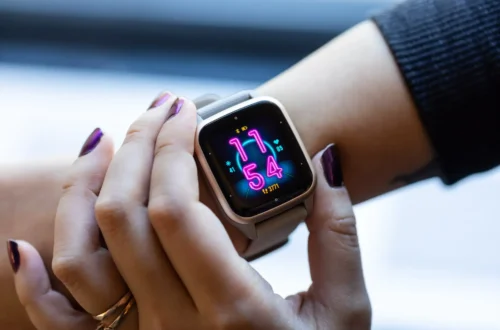
Technology also offers devices that help treat injuries directly. Wearable devices monitor healing progress by measuring movement and vital signs. For example, smart braces track how well a broken bone is healing. This data helps doctors adjust treatments faster.
Robotic systems assist in rehabilitation. They guide patients through exercises with precise control. These devices ensure correct movement and reduce the risk of further injury. Patients benefit from consistent and personalized therapy.
Telemedicine and Remote Care
Telemedicine brings injury treatment to patients anywhere. Video calls allow doctors to check on patients without office visits. This works well for follow-ups and minor injuries. Patients save time and reduce exposure to germs.
Remote monitoring devices collect health data from patients’ homes. Doctors analyze this information to spot problems early. They can intervene quickly if healing slows or complications arise. This helps patients recover more smoothly.
Surgical Technology
Surgeries for injuries use advanced tools like lasers and robotic arms. These tools allow precise operations with smaller cuts. Smaller cuts reduce scarring, pain, and recovery time. Surgeons use 3D imaging before surgery to plan better.
Minimally invasive surgeries lower infection risk and hospital stays. This technology makes surgery safer and less stressful for patients.
Specific Example: Whiplash Treatment
Whiplash occurs when the neck moves suddenly and forcefully, often in car accidents. Modern treatment uses technology like detailed imaging to confirm diagnosis. Doctors may use computerized motion analysis to study a patient’s neck movement. This helps design the best treatment plan.
Patients with whiplash benefit from telemedicine visits. They can receive guidance and adjust therapies from home. Access to specialized clinics also improves outcomes. Those who need it may find help with whiplash treatment in Jacksonville, FL.
Pros and Cons of Technology in Injury Treatment
Pros
- Faster and more accurate diagnosis
- Improved treatment methods and devices
- Access to care through telemedicine
- Less invasive surgical options
- Enhanced patient monitoring
Cons
- High cost of some technology and equipment
- Learning curve for healthcare providers
- Dependence on internet and power availability
- Privacy concerns with digital data
Conclusion
Technology improves how doctors treat injuries. It helps find problems early and delivers better care. From diagnostic tools to remote care and surgery, technology makes recovery faster and safer. Patients gain convenience and support throughout treatment.
For those seeking specialized care, options like whiplash treatment in Jacksonville, FL offer advanced technology-based approaches. The role of technology will likely grow, leading to even better injury treatment in the future.