Introduction: A New Landscape of Personal Fitness
The world of personal fitness has changed more in the last decade than in the previous fifty years. What was once dominated by simple routines, paper logs, and the occasional heart-rate monitor has now transformed into a highly connected ecosystem of wearables, apps, and artificial intelligence. This technological evolution has reshaped how people train, how coaches design programs, and how progress is measured. Fitness is no longer confined to the gym or dependent on expert supervision; it is increasingly guided by intelligent systems capable of analyzing behavior, predicting needs, and responding in real time. In this tech-driven era, individuals have more control, more insights, and more opportunities to personalize their training than ever before.

The Rise of Wearables: Turning the Body into a Data Source
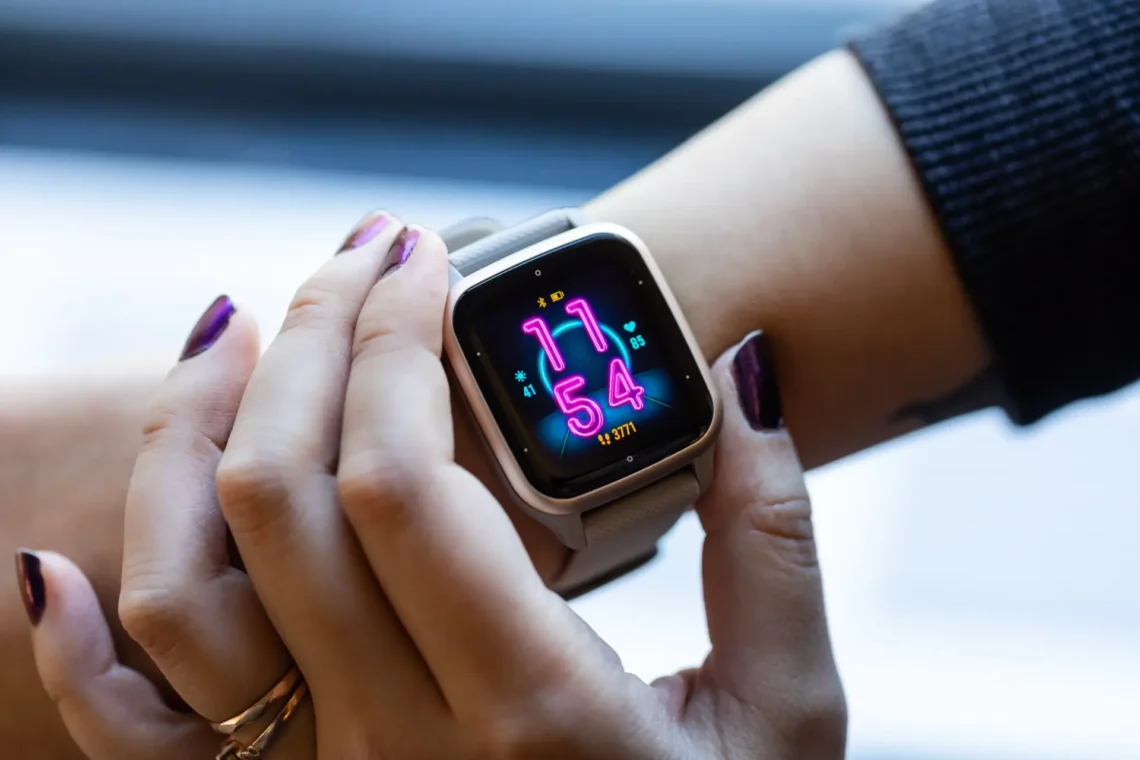
Wearable technology has become one of the defining features of modern training. Devices such as smartwatches, fitness bands, smart rings, and even sensor-enhanced clothing continually collect data on heart rate, movement patterns, sleep quality, and stress levels. Their power lies in transforming the human body into a measurable system, allowing users to understand how lifestyle choices impact performance and health.
These devices have evolved far beyond tracking steps. Advanced models monitor blood oxygen saturation, heart rate variability, early signs of fatigue, and even the onset of illness. By providing real-time feedback, wearables help users adjust their intensity, improve their recovery, and optimize their training loads. For athletes, this data can be the difference between peak performance and overtraining. For everyday users, it offers a greater sense of agency and awareness.
Moreover, wearables foster consistency. The simple act of seeing one’s daily progress or receiving gentle reminders to stand, breathe, or move can shift behavior. They function as constant companions, translating objective metrics into meaningful insights that guide long-term habits.
Mobile Fitness Apps: Bringing Coaching and Community to the Pocket
Mobile fitness applications have democratized access to expertise, offering everything from beginner-friendly routines to elite-level training programs. What makes fitness apps so transformative is their versatility. They serve as virtual coaches, digital training journals, nutrition planners, and social hubs—all in one device that users carry everywhere.
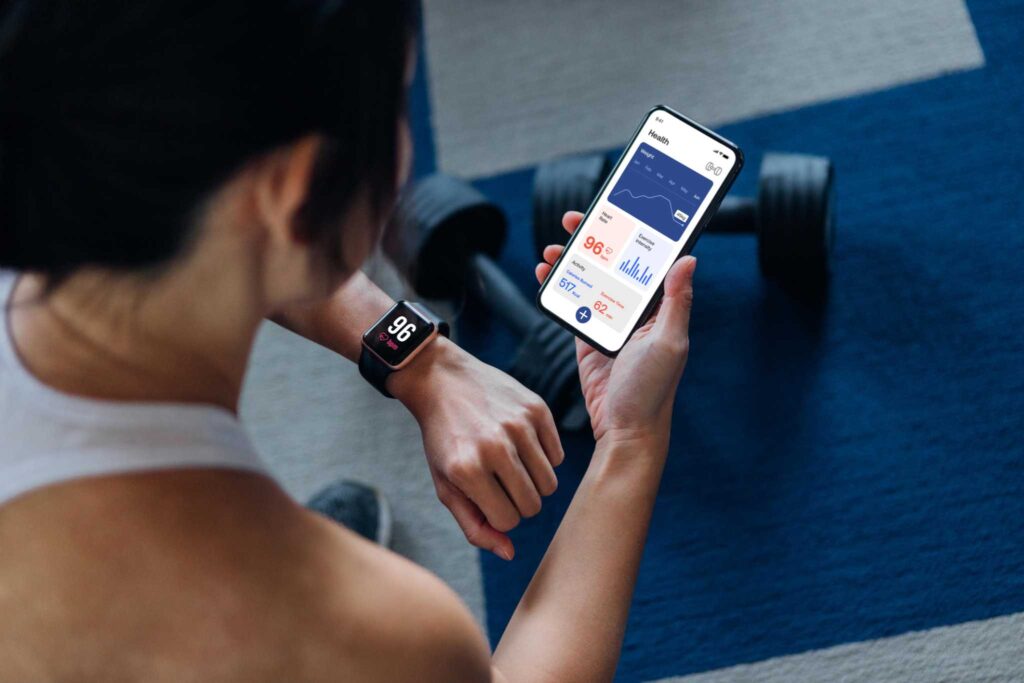
These apps often integrate directly with wearables, creating a seamless flow of data that refines training suggestions. Many offer video demonstrations, guided workouts, and progress reports. Some simulate the experience of one-on-one coaching through adaptive routines that adjust based on performance or feedback.
One of the most powerful aspects of fitness apps is their ability to build community. Users can join challenges, share progress, and connect with others pursuing similar goals. This camaraderie offers accountability, inspiration, and motivation, making fitness a more engaging and emotionally rewarding experience. Social features transform solitary exercise into a shared journey, reinforcing dedication and enjoyment.
AI Coaches and Intelligent Training: The Next Evolution of Personal Fitness
Artificial intelligence is pushing the boundaries of what personalized training can be. AI-powered fitness systems analyze enormous amounts of data collected through wearables and apps—such as sleep patterns, heart rate variability, workout history, and even environmental conditions—to design deeply individualized training experiences.
Unlike traditional programs, which often follow a fixed progression, AI-driven routines evolve continuously. If a user is fatigued, the AI may reduce intensity. If motivation is high and recovery is strong, it might increase workload or introduce more complex movements. These systems can predict plateaus, flag early signs of injury risk, and optimize training cycles with precision previously available only to elite athletes with full coaching teams.
AI also enhances the feedback loop. Real-time form correction, using camera-based motion tracking or wearable sensors, helps users maintain safe and effective technique. Virtual AI trainers can answer questions, adapt exercises on the fly, and offer encouragement. Over time, the AI becomes increasingly accurate as it learns the user’s patterns, preferences, and physiological responses.
Personalized Nutrition and Recovery: Completing the Performance Equation
Technology is also transforming areas that complement training, particularly nutrition and recovery. Many fitness platforms now integrate nutritional analysis, offering macronutrient tracking, meal suggestions, hydration reminders, and even AI-generated grocery lists based on dietary goals.
Recovery—once overlooked—is now central to performance. Wearables measure sleep cycles and stress responses, providing actionable insights on how well the body is repairing itself. AI can suggest optimal bedtimes, recovery strategies, and relaxation techniques. Some advanced apps analyze long-term behavior to identify patterns, such as the link between late-night screen time and reduced sleep quality, or the relationship between stress and diminished performance.
These capabilities help users avoid burnout, manage energy levels, and maintain the balance necessary for long-term fitness success.
Gamification: Turning Workouts into Play
Another significant trend reshaping personal fitness is gamification—the use of game mechanics to make training more engaging. Many apps and wearables incorporate point systems, progress badges, virtual races, or interactive storylines to encourage consistent participation.
By turning workouts into playful experiences, these platforms tap into the human brain’s love of reward, competition, and narrative. Running apps may visualize progress on global maps, while cycling platforms like virtual reality trainers simulate real-world terrain. Some systems allow users to race against digital avatars or compete with friends regardless of geographic distance.
The Integration of Virtual and Augmented Reality: A New Kind of Training Environment
Virtual reality (VR) and augmented reality (AR) are introducing immersive training opportunities that blend physical effort with digital environments. Users can join virtual spin classes, explore scenic landscapes while running on a treadmill, or engage in full-body interactive games that improve coordination, endurance, and strength.
These technologies offer a powerful solution to one of fitness’s biggest challenges: boredom. By creating captivating environments, VR and AR help users stay engaged longer and push themselves further. The sense of presence within these virtual worlds provides a level of immersion that traditional workouts cannot match.
As these technologies evolve, they may become key tools for rehabilitation as well, offering controlled environments for movement training and physical therapy.
Data-Driven Fitness: From Guesswork to Precision
The shift toward data-driven fitness has fundamentally changed how people approach training. Every heartbeat, step, calorie, and hour of sleep contributes to a growing dataset that paints a detailed picture of one’s health and performance.
This data enables users to identify trends, celebrate improvements, and address weaknesses. It transforms ambiguous ideas—like “feeling tired” or “having a good workout”—into measurable insights. Athletes can track training load and recovery ratios; beginners can monitor activity levels and progress benchmarks.
However, this new era also raises questions about balance. While data can be empowering, it can also become overwhelming or lead to obsession. The goal is not to chase perfect numbers but to use these tools to support realistic, healthy, and sustainable growth.
Challenges and Considerations in a Tech-Driven Fitness World
Despite the remarkable benefits of fitness technology, it brings certain challenges. One concern is data privacy. Wearables and apps collect personal information that must be securely stored and ethically handled. Users need confidence that their biometric data will not be misused.
There is also the risk of over-reliance on technology. While AI and smart devices offer valuable guidance, they should complement, not replace, personal intuition. Listening to one’s body remains essential, particularly when recognizing pain, fatigue, or emotional stress.
Another challenge is accessibility. Although many apps offer free versions, the most advanced features often require subscriptions or costly hardware. Ensuring that technological advancements remain inclusive will be crucial for fostering widespread health benefits.

The Future of Personal Fitness: Hyper-Personalization and Human-Tech Synergy
Looking ahead, the role of technology in fitness will continue to expand. Future wearables may incorporate non-invasive blood glucose monitoring, advanced hydration sensors, or even stress biomarkers. AI coaches could evolve into highly sophisticated companions capable of understanding emotional states and adapting strategies accordingly. VR gyms may become mainstream, offering immersive training experiences in compact home environments.
Yet, even with these advancements, the future is not about replacing human expertise but enhancing it. Trainers and health professionals will use technology as a powerful tool to deliver more accurate assessments, personalized programs, and continuous feedback. Users will enjoy deeper insights, better support, and a more intuitive path to reaching their goals.
Conclusion: A Revolution in Motion
The tech era has ushered in a profound shift in how individuals approach personal fitness. Wearables track every detail of the body’s performance, apps provide coaching and community, and AI brings unprecedented personalization to training programs. These innovations have transformed exercise from a routine into a dynamic, data-informed journey tailored to each individual’s needs, lifestyle, and aspirations.
As technology continues to evolve, it will deepen its integration into fitness, offering smarter tools, richer insights, and more immersive experiences. The essence of training, however, remains unchanged: the desire to improve, to strengthen, and to feel good in one’s body. Technology is not a replacement for that inner drive but a companion that amplifies it. In this new era, personal fitness becomes not just a goal but a guided, intelligent, and empowering journey toward lifelong health.