In the digital age, personal health has become both measurable and manageable. Fitness apps have transformed the way people approach exercise, nutrition, and wellness, converting abstract goals into tangible metrics and actionable insights. These applications are more than simple tracking tools; they are behavioral architects, translating streams of data into routines that cultivate long-lasting habits. By leveraging technology, psychology, and community, fitness apps have bridged the gap between intention and action, enabling millions of people to harness data as a driver of personal discipline.
Historically, exercise was guided by intuition, tradition, or expert instruction. Individuals relied on personal experience, gym trainers, or printed guides to shape their workouts. Progress was difficult to quantify, often subjective, and prone to inconsistent results. With the advent of smartphones, wearable devices, and sophisticated applications, health and fitness became digitally measurable in real-time. Heart rates, step counts, calories burned, and sleep patterns are now readily accessible, providing users with detailed insights that were once the preserve of elite athletes and scientific laboratories.
Yet raw data alone does not produce results. The true innovation of fitness apps lies in their ability to transform numbers into meaningful feedback, actionable plans, and psychological reinforcement. By integrating personalized goals, reminders, social encouragement, and progress tracking, these platforms create structured environments where users are guided toward consistency and self-discipline. The following sections explore how fitness apps leverage data, behavioral psychology, gamification, and community to turn information into sustainable health habits.
Tracking and Metrics: Making the Invisible Visible
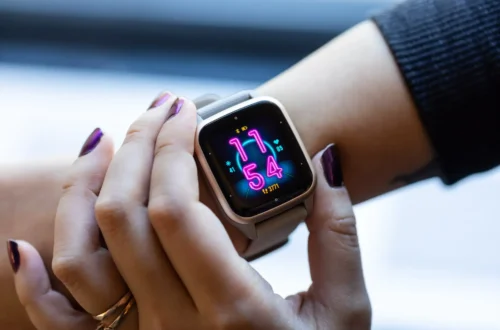
At the core of every fitness app is data collection. Whether it’s a smartwatch measuring heart rate variability or an app logging calories consumed, these tools convert human activity into measurable metrics. This ability to quantify previously invisible behaviors is transformative, allowing users to understand their bodies in unprecedented detail. Step counts, distance traveled, active minutes, sleep quality, and hydration levels are now routinely tracked, creating a comprehensive picture of individual health patterns.
The value of this data lies in its visibility and interpretability. Many people underestimate their activity levels or misjudge calorie intake; by presenting clear, objective numbers, apps provide immediate insight into actual performance. For example, an individual may believe they are walking 5,000 steps daily, but wearable data might reveal a significantly lower number. This awareness is a critical first step in behavior modification, highlighting discrepancies between perception and reality.
Advanced apps go beyond simple logging, offering metrics that analyze trends over time. Users can visualize weekly, monthly, or annual patterns, identifying plateaus, progress, and areas needing improvement. Heart rate monitoring, for instance, allows for nuanced understanding of cardiovascular fitness and recovery. Sleep tracking reveals how rest affects performance and energy levels, connecting lifestyle choices with tangible outcomes. By turning abstract aspects of health into concrete numbers, fitness apps provide the informational foundation necessary for informed decision-making and goal setting.
Moreover, these metrics are often tailored to individual goals. Whether someone aims to lose weight, build strength, increase endurance, or simply maintain general wellness, apps can translate generic data into personalized feedback. Through algorithms, apps can recommend exercise intensity, adjust calorie targets, or suggest rest periods, making the raw numbers actionable rather than merely informative. This personalization is crucial, as it ensures that users are not just tracking activity but also aligning it with specific, achievable objectives.
Gamification: Motivation Through Engagement
While metrics provide clarity, motivation is what drives action. Fitness apps employ gamification techniques to convert routine activity into engaging, goal-oriented challenges. Points, badges, streaks, and levels transform ordinary exercise into a system of rewards and recognition. This approach taps into the human desire for achievement and progress, creating psychological reinforcement that encourages consistency.
Daily streaks, for example, reward users for completing workouts or meeting step goals consecutively. Missing a streak can create a subtle sense of loss, motivating individuals to maintain regular engagement. Leaderboards and social competitions add a communal aspect, allowing users to compare performance with friends, family, or global participants. This combination of personal progress and social accountability leverages both intrinsic and extrinsic motivators, encouraging sustained commitment to health behaviors.
Gamification also transforms mundane activities into challenges that feel rewarding. Completing a 10,000-step goal or a 30-minute workout is accompanied by visual and auditory feedback that reinforces success. Many apps integrate virtual challenges or milestone achievements, providing a narrative structure to daily health routines. By making small achievements visible and celebratory, fitness apps shift the focus from abstract long-term goals to immediate, attainable wins, fostering a sense of competence and self-efficacy.
Additionally, gamification techniques capitalize on habit-forming principles. Repeated engagement with reward systems strengthens neural pathways associated with positive behavior. Over time, completing a workout or tracking meals transitions from a conscious effort into an automatic routine. Fitness apps, therefore, do more than entertain; they actively shape behavior, transforming data-driven insights into habits that can persist long after initial motivation fades.This layering of motivation and consistency works much like winter apparel—adding protection, comfort, and reinforcement step by step, until healthy habits become something you naturally put on and rely upon every day.
Personalized Feedback: Turning Data Into Action
Numbers alone are insufficient without interpretation. Fitness apps excel in providing personalized feedback, bridging the gap between raw data and actionable strategies. Through algorithms and artificial intelligence, apps analyze collected metrics to offer insights tailored to individual goals, fitness levels, and physiological responses. This feedback transforms passive data observation into active behavioral guidance.
For instance, if a user logs multiple workouts but shows minimal improvement in heart rate recovery or strength gains, the app can identify potential areas for adjustment. Recommendations may include varying exercise intensity, incorporating rest days, or modifying dietary habits. By contextualizing performance data, fitness apps empower users to make informed choices rather than relying on generic advice. This individualized approach ensures that every number translates into practical guidance for growth and improvement.
Nutrition tracking is another domain where personalized feedback is pivotal. Apps can monitor caloric intake, macronutrient ratios, and hydration, providing alerts or suggestions when targets are not met. For users seeking weight management or muscle growth, this feedback aligns behavior with goals in real time. The integration of activity and nutrition data creates a holistic picture of health, allowing users to see how different factors interact and influence overall performance.
Beyond physiological data, apps also analyze behavioral patterns. Sleep quality, consistency in workouts, and even social engagement with the app are assessed to identify potential obstacles or triggers. Notifications, reminders, and adaptive goal-setting mechanisms encourage users to adjust behaviors proactively. In this sense, fitness apps act as virtual coaches, translating streams of numbers into guidance that fosters accountability, consistency, and ultimately, discipline.
Social Connectivity and Accountability
Another powerful element in turning data into discipline is social connectivity. Many fitness apps integrate social platforms, enabling users to share achievements, compete in challenges, or seek support from communities. This layer of interaction transforms personal health management from an isolated effort into a socially reinforced behavior, where encouragement and accountability amplify motivation.
Participating in group challenges or comparing progress with peers fosters a sense of belonging and commitment. Users are more likely to maintain consistent exercise routines when they feel accountable to others or receive positive reinforcement from a community. This social component leverages psychological principles such as peer pressure, encouragement, and collective goal pursuit, enhancing adherence to health behaviors.
Moreover, social connectivity creates opportunities for shared learning. Users exchange tips, strategies, and insights, helping one another interpret data and implement effective routines. In some cases, competition drives performance improvement, while collaboration fosters encouragement and resilience. Fitness apps thus integrate social psychology into behavioral design, ensuring that data-driven recommendations are reinforced through community engagement.
Virtual communities also democratize access to coaching and mentorship. Even individuals without personal trainers can receive guidance, motivation, and support from peers or app-based experts. This social infrastructure, combined with data analytics and gamification, creates an ecosystem where personal discipline is supported, encouraged, and sustained over time.
Conclusion: From Information to Transformation
The rise of fitness apps represents a fundamental shift in how people approach health. By collecting, interpreting, and contextualizing data, these platforms convert abstract numbers into actionable guidance, motivation, and discipline. Metrics make invisible behaviors visible, gamification fosters engagement, personalized feedback bridges knowledge gaps, and social connectivity reinforces accountability. Through these mechanisms, fitness apps transform intention into action, short-term effort into long-term habit, and raw data into meaningful, sustained health outcomes.
In an era where sedentary lifestyles and lifestyle-related diseases are increasingly prevalent, the ability to turn data into discipline is invaluable. Fitness apps offer more than convenience; they offer a framework for behavioral change that is rooted in evidence, psychology, and technology. By leveraging these tools thoughtfully, individuals can cultivate routines that support physical, mental, and emotional well-being.
Ultimately, the power of fitness apps lies not in the numbers themselves, but in their capacity to guide, motivate, and sustain human behavior. They exemplify how technology, when combined with insights into human psychology and social dynamics, can bridge the gap between knowledge and action. As more people embrace these tools, the transformation from data to discipline will continue to shape the future of personal health, empowering users to achieve goals, maintain consistency, and unlock their full potential.