
The Psychology of Training: A Dual Experience
Physical training, whether it’s running at dawn, lifting weights at the gym, or practicing yoga at home, is never just a physical act. It’s deeply psychological — shaped by motivation, mindset, and the social context in which it occurs. The difference between training alone and training with a partner extends far beyond having someone else in the room; it affects everything from discipline and consistency to performance and emotional satisfaction.
While solo training offers independence, introspection, and self-mastery, partner training provides accountability, shared energy, and a sense of camaraderie that can push people to their limits. The choice between the two is not a matter of superiority but of alignment — with personality, goals, and psychological needs. Understanding these differences allows individuals to train smarter, not just harder, and to recognize what environment best fuels their momentum. Some people even enjoy pairing their workouts with themed gear, like patriotic hoodies, to enhance motivation and team spirit.
Training Alone: The Discipline of Solitude
Training alone is, at its core, a test of self-discipline. Without an external observer or partner, there is no one to notice skipped repetitions or slower runs. Motivation must come from within, often relying on intrinsic goals such as personal improvement, mental clarity, or the satisfaction of consistency.
This solitude can be empowering. It strips away comparison and distraction, allowing one to focus deeply on form, breathing, and the meditative rhythm of movement. For many, solo training becomes a ritual of self-discovery — an introspective space where thoughts settle and the body becomes a mirror of willpower.
However, the same solitude can be a double-edged sword. Without social reinforcement, it’s easier to lose momentum, skip sessions, or plateau in performance. Psychologically, intrinsic motivation can waver, especially when progress feels slow or invisible. The brain thrives on novelty and reward, and when training alone, those feedback loops can fade. Maintaining long-term consistency, then, requires a strong internal dialogue — the kind that can silence excuses and fuel persistence even when no one is watching.
The Mindset of the Solo Trainer
The mindset required for solo training is one of self-reliance and resilience. It’s about embracing discomfort without external validation and learning to find satisfaction in the process rather than the praise. Athletes who train alone often develop heightened self-awareness — they tune into subtle cues from their body, refine their pacing, and build a personal rhythm that might be disrupted by another person’s presence.
Solo trainers often set micro-goals to stay engaged: hitting a certain pace, mastering a technique, or completing a workout without stopping. Over time, this builds mental toughness. When progress is self-measured, the reward feels deeper, more authentic. There’s no comparison, no competition — only the satisfaction of personal evolution.
The Partner Effect: Accountability and Connection
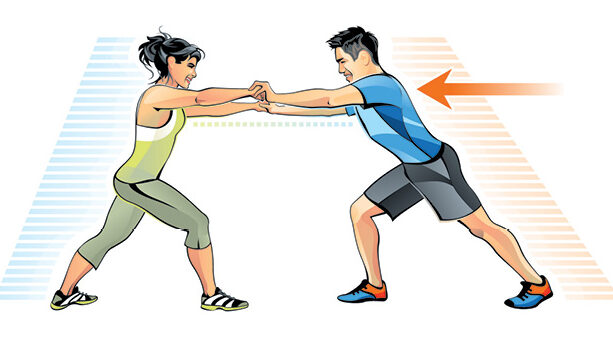
Training with a partner changes the dynamic entirely. The presence of another person transforms the workout into a shared experience, blending personal effort with social reinforcement. Accountability becomes externalized — when you know someone is waiting for you at 7 a.m. for a run, you’re far less likely to hit snooze. This mutual responsibility builds consistency, one of the hardest aspects of fitness to maintain over time.
Beyond accountability, there’s a psychological concept known as “social facilitation,” where the presence of others enhances performance. Whether it’s lifting slightly heavier weights or pushing through the last mile, people often perform better when observed or accompanied. A training partner becomes a catalyst — motivating through encouragement, subtle competition, or shared goals.
The Power of Shared Momentum
Momentum thrives in partnership. When one person’s energy dips, the other’s enthusiasm can reignite it. Training with a partner creates an emotional feedback loop: encouragement, progress, and celebration are shared, magnifying motivation. This shared energy often leads to breakthroughs that might not occur alone.
There’s also the element of healthy competition. A partner’s presence can push boundaries — not in a toxic, comparative way, but through mutual inspiration. Seeing someone else persevere through fatigue can reignite your own drive, creating a dynamic where both individuals elevate each other.
At the same time, partnership brings emotional support during setbacks. Injuries, fatigue, or self-doubt can derail a solo trainer, but with a partner, empathy becomes a stabilizer. They remind you of your progress when you forget it and help maintain consistency when your confidence falters. In this sense, training partners serve as both motivators and mirrors — reflecting the best version of you back at moments when you might not see it yourself.

Mindset in Partnership: Cooperation and Synchrony
Training with another person requires a cooperative mindset. It’s not just about working hard but about harmonizing effort, pace, and attitude. This synchrony fosters patience, adaptability, and communication — skills that extend beyond the gym or field.
A well-matched partnership can create flow states, where both individuals move seamlessly in rhythm and focus. Think of doubles tennis teams, dance partners, or climbing duos; their physical and mental alignment transforms exercise into art. Even in casual fitness settings, this sense of harmony can enhance satisfaction and make each session something to look forward to.
However, mismatched partnerships can have the opposite effect. Differences in fitness levels, commitment, or goals can lead to frustration or dependency. If one person consistently carries the motivation, resentment can build. Therefore, successful partnerships depend not only on shared goals but on mutual respect, understanding, and emotional balance.
The Motivation Spectrum: Intrinsic vs. Extrinsic
At the heart of the solo-versus-partner dynamic lies motivation — the driving force that determines consistency and effort. Psychologists often categorize motivation as intrinsic (driven by internal satisfaction) or extrinsic (driven by external rewards). Solo training leans heavily on intrinsic motivation: the satisfaction of improvement, mastery, or self-discipline. Partner training often introduces extrinsic elements: praise, encouragement, or the desire to maintain social connection.
Neither is inherently better. Intrinsic motivation tends to be more sustainable over time, fostering long-term commitment even when results are slow. Extrinsic motivation, however, provides immediate reinforcement — the kind that can help overcome initial resistance or fatigue. The most effective training environments often blend both. For example, a runner might train alone during the week for personal growth but run with a friend on weekends for social enjoyment. This hybrid approach keeps both the mind and spirit engaged.
Emotional Energy and Focus
Training alone and training with a partner differ not just in motivation but in emotional energy and focus. Solo sessions often foster introspection and calm concentration. The mind tunes into breathing, posture, and sensation, turning exercise into meditation. This can be deeply restorative, particularly for those who use movement as stress relief or mental reset.
Partner sessions, on the other hand, amplify external energy. Conversation, laughter, and shared effort can elevate mood and reduce perceived exertion. Studies have shown that people working out with partners often report lower fatigue and higher enjoyment levels. The social interaction diverts attention from physical discomfort, allowing longer or more intense sessions.
Building Momentum: The Long-Term Impact
Momentum in fitness is built on consistency, and both training styles offer unique paths toward it. Solo training builds quiet, enduring momentum — the kind that grows from discipline and routine. Each session strengthens not just muscles but willpower. Over time, this autonomy creates a stable foundation; you no longer rely on external circumstances to move your body.
Partner training builds dynamic momentum — a rhythm that thrives on connection and shared milestones. The excitement of teamwork sustains motivation, especially through plateaus or periods of low enthusiasm. The key is recognizing which momentum serves you best at a given time. Life circumstances, mental state, and goals evolve, and so too might your need for solitude or companionship in training.

The Deeper Meaning of Training Companionship
At a deeper level, training with a partner symbolizes more than just fitness support — it represents shared growth. Each person witnesses the other’s struggle, resilience, and transformation. This creates a unique form of intimacy grounded in mutual respect and vulnerability. Seeing someone push through exhaustion or failure is profoundly humanizing, reminding both partners of their shared strength and limitations.
Meanwhile, training alone represents another kind of connection — one between the self and the body. It’s an act of self-trust, of learning to listen inwardly rather than outwardly. It cultivates autonomy and acceptance, teaching that motivation does not always need to come from outside. Both paths, though different, lead to a common destination: a deeper understanding of one’s capacity for effort and endurance.
Conclusion: Choosing the Right Path
Whether training alone or with a partner, the essence of fitness lies in alignment — between body and mind, effort and intention. Solo training refines the self; it strengthens discipline, focus, and independence. Partner training enriches connection; it fosters accountability, joy, and shared achievement.
The question is not which method is better, but which resonates with your current goals and emotional landscape. Some seasons of life demand solitude, while others flourish through companionship. Both require motivation, mindset, and momentum — the triad that transforms exercise from a routine into a lifelong journey of growth.