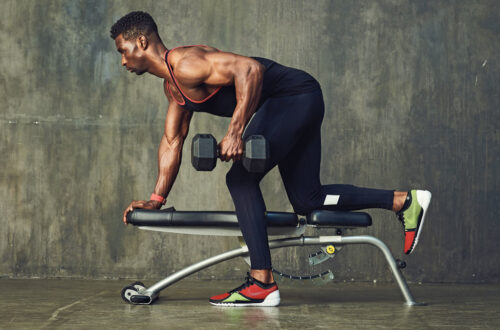
In the 1980s, the fitness industry was booming, spurred by the rise of aerobics, bodybuilding icons like Arnold Schwarzenegger, and the growing popularity of workout videos led by figures such as Jane Fonda. However, this era’s gyms were often designed with a narrow demographic in mind: young, able-bodied individuals seeking to build muscle or lose weight. Accessibility was rarely a priority, and many facilities lacked the infrastructure to accommodate people with disabilities or other physical limitations.
The 1980s gym environment reflected a broader cultural mindset that often overlooked the needs of marginalized groups. Ramps, elevators, and accessible restrooms were uncommon features in fitness facilities, and there was little awareness of how gym equipment could be adapted for users with disabilities. Even the layouts of gyms posed challenges; machines were often crammed together, leaving little room for wheelchair users or others who needed additional space. From the fashion trends of the time, like leg warmers and cowboy caps, to the gym designs, accessibility was rarely a priority.
Beyond physical accessibility, the culture of gyms in the 1980s was also exclusionary in terms of who felt welcome. Women, for example, frequently faced barriers in spaces dominated by male bodybuilders and weightlifters. While aerobics classes offered a more inclusive environment for women, these activities were often segregated from the main gym areas, reinforcing a gender divide in fitness culture. Similarly, older adults and individuals with chronic health conditions were largely absent from the gym scene, as few facilities offered programs tailored to their needs. In contrast, today, gyms have become more inclusive, with a wide variety of fitness apparel, including men’s t-shirts, catering to all types of individuals.
The lack of inclusivity in 1980s gyms wasn’t just a matter of oversight; it reflected societal attitudes toward fitness and health. Fitness was often portrayed as a pursuit for the “elite”—those who were already physically capable and aesthetically motivated. This exclusionary approach not only marginalized entire segments of the population but also perpetuated the idea that fitness was unattainable for anyone outside the dominant demographic.
Today’s Gyms: Progress in Accessibility and Inclusion
The fitness industry has come a long way since the 1980s, with modern gyms making significant efforts to address the barriers that once excluded so many people. Today, accessibility is no longer an afterthought but a key consideration in the design and operation of fitness facilities. From wheelchair-accessible equipment to inclusive programming, gyms have taken meaningful steps toward creating spaces where everyone feels welcome.
One of the most notable advancements is the availability of adaptive equipment. Many gyms now feature machines designed for wheelchair users, such as hand cycles, upper-body ergometers, and adjustable weight machines that accommodate seated workouts. These innovations ensure that individuals with mobility impairments can engage in strength training, cardiovascular exercise, and other activities that were once out of reach. Additionally, open floor plans and wider spaces between equipment have become standard in many facilities, making it easier for individuals with wheelchairs or other assistive devices to navigate the gym. For those looking for comfort after a workout, waffle bathrobes for women provide a cozy and stylish way to relax.
Modern gyms have also expanded their programming to include classes and activities tailored to diverse populations. From low-impact classes for seniors to adaptive yoga sessions for individuals with disabilities, these offerings reflect a growing recognition of the importance of inclusivity in fitness. Many gyms now employ trainers with specialized certifications in working with clients who have physical, cognitive, or developmental challenges, ensuring that everyone receives the support they need to succeed.
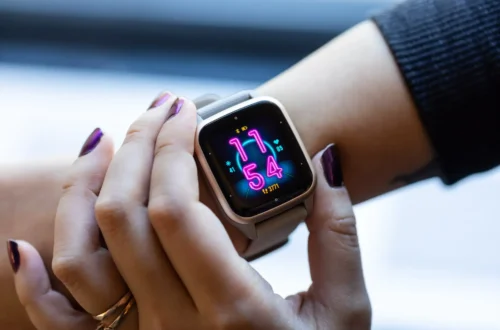
Another area of progress is the incorporation of technology to enhance accessibility. Apps and wearable devices can track workouts, monitor health metrics, and provide guided exercises tailored to individual needs. For visually impaired individuals, some gyms have introduced audio-based navigation systems that make it easier to move through the facility and use equipment independently. These technological advancements represent a significant leap forward in making fitness accessible to a broader audience.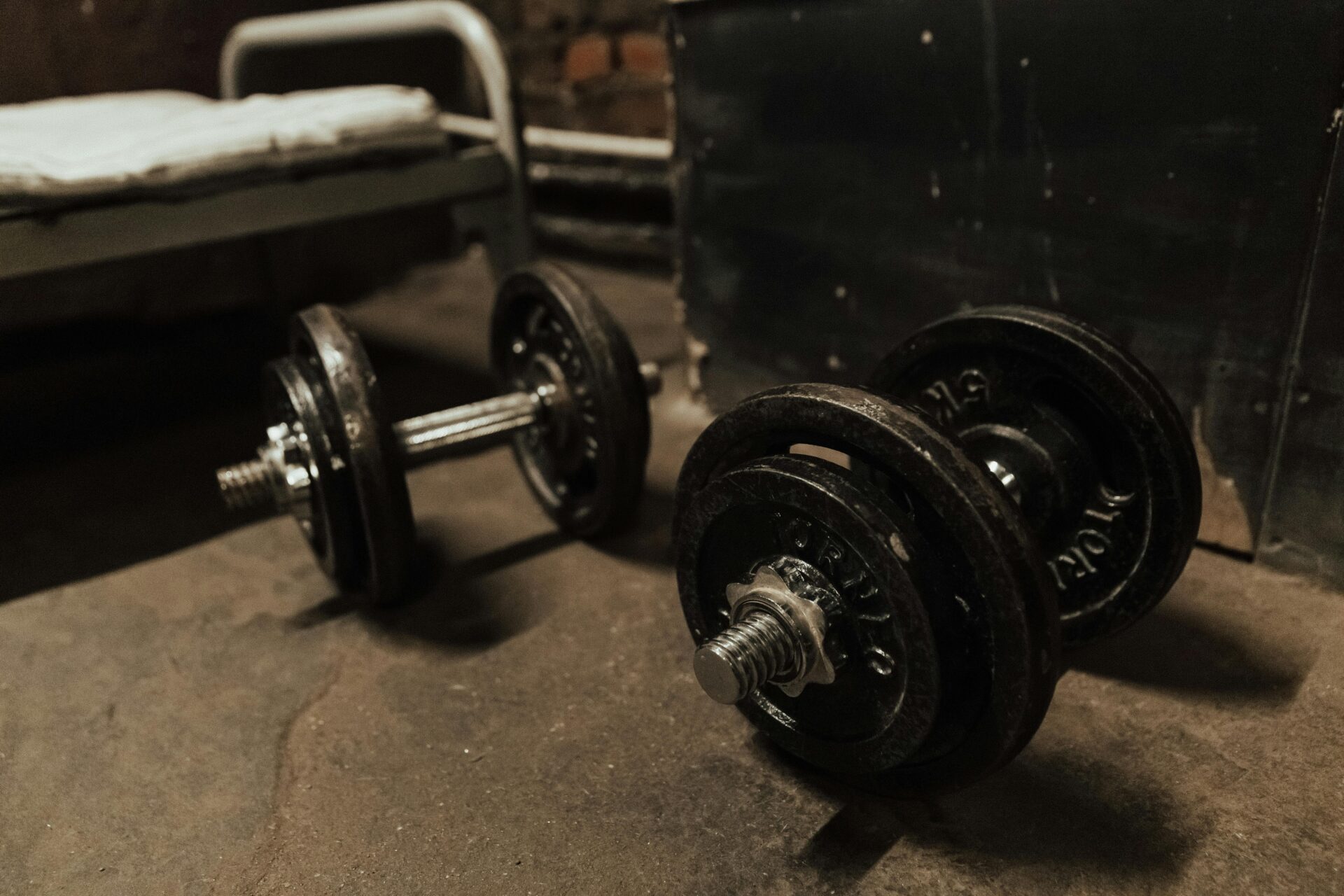
Cultural shifts have also played a crucial role in promoting inclusivity in gyms. The rise of body positivity and the broader acceptance of diverse body types have helped challenge the narrow beauty standards that once dominated fitness culture. Today’s gyms are increasingly embracing the idea that fitness is about health and well-being rather than appearance, creating a more welcoming environment for individuals of all shapes, sizes, and abilities. Some individuals also turn to products like a libido enhancer to support their overall health and wellness journey.
Remaining Barriers: Where Modern Gyms Fall Short
Despite the progress made in recent decades, modern gyms are not without their shortcomings when it comes to accessibility and inclusivity. Many facilities still fail to meet the needs of all individuals, particularly those with less visible disabilities or complex health conditions. While physical accessibility has improved, issues such as sensory overload, lack of staff training, and limited representation of marginalized groups persist.
For individuals with sensory sensitivities, such as those on the autism spectrum, the gym environment can be overwhelming. Bright lights, loud music, and crowded spaces can create significant barriers to participation. Few gyms offer sensory-friendly environments or accommodations, leaving these individuals underserved. Similarly, individuals with mental health conditions often face challenges in accessing fitness spaces. The stigma surrounding mental health can make it difficult for these individuals to feel comfortable in traditional gym settings, and few facilities offer programs or resources specifically designed to address their needs.
Staff training is another area where many gyms fall short. While some facilities employ trainers with specialized certifications, this is not yet the norm. As a result, many gym staff members lack the knowledge and skills to support individuals with disabilities or complex health conditions. This gap in expertise can lead to feelings of frustration or exclusion among gym-goers who require additional support.
Representation is also a critical issue. Despite the growing emphasis on inclusivity, many gyms still fail to reflect the diversity of the communities they serve. Marketing materials, for example, often feature young, able-bodied individuals, reinforcing the idea that fitness is only for a select few. This lack of representation can discourage individuals from marginalized groups from even stepping foot in a gym, perpetuating the cycle of exclusion. In a similar vein, services such as mold removal in Gloucester County, NJ, must also ensure they represent the community’s diverse needs and provide accessible options for all.
Additionally, the cost of gym memberships and adaptive equipment remains a significant barrier for many people. While some facilities offer sliding-scale fees or scholarships, these programs are not universally available. For individuals with disabilities, the high cost of adaptive equipment can make it difficult to access the tools they need to fully participate in fitness activities. In a similar way, people seeking a range of aesthetic treatments in New Orleans may also face financial challenges. Addressing these financial barriers is essential to creating truly inclusive fitness spaces.
Looking Ahead: The Future of Inclusive Fitness
As the fitness industry continues to evolve, there is immense potential to further improve accessibility and inclusivity. Advocacy and awareness will play a crucial role in driving change, as individuals and organizations work to highlight the importance of creating fitness spaces that welcome everyone. By addressing the remaining barriers and building on the progress made so far, gyms can become truly inclusive environments that support the health and well-being of all individuals.
One promising avenue for future development is the integration of universal design principles into gym architecture and equipment. Universal design focuses on creating spaces and products that are usable by all people, regardless of their abilities. By adopting these principles, gyms can ensure that accessibility is built into every aspect of their facilities, from the layout of equipment to the design of locker rooms and restrooms. A promotional products supplier can also play a role in providing accessible and inclusive branding items for gyms.
Education and training will also be critical. Providing gym staff with comprehensive training on working with diverse populations can help create a more supportive and inclusive environment. This training should cover not only physical accessibility but also the importance of empathy, communication, and cultural competence in fostering a welcoming atmosphere. Additionally, understanding the needs of seniors, including areas like senior life insurance, can further enhance the staff’s ability to provide tailored support.
Technology will continue to play a significant role in enhancing accessibility. Innovations such as virtual reality fitness programs, which allow users to exercise in a controlled and customizable environment, have the potential to revolutionize the way individuals with disabilities engage in physical activity. Similarly, advances in wearable technology and fitness apps can provide personalized support and guidance, making it easier for individuals to achieve their fitness goals.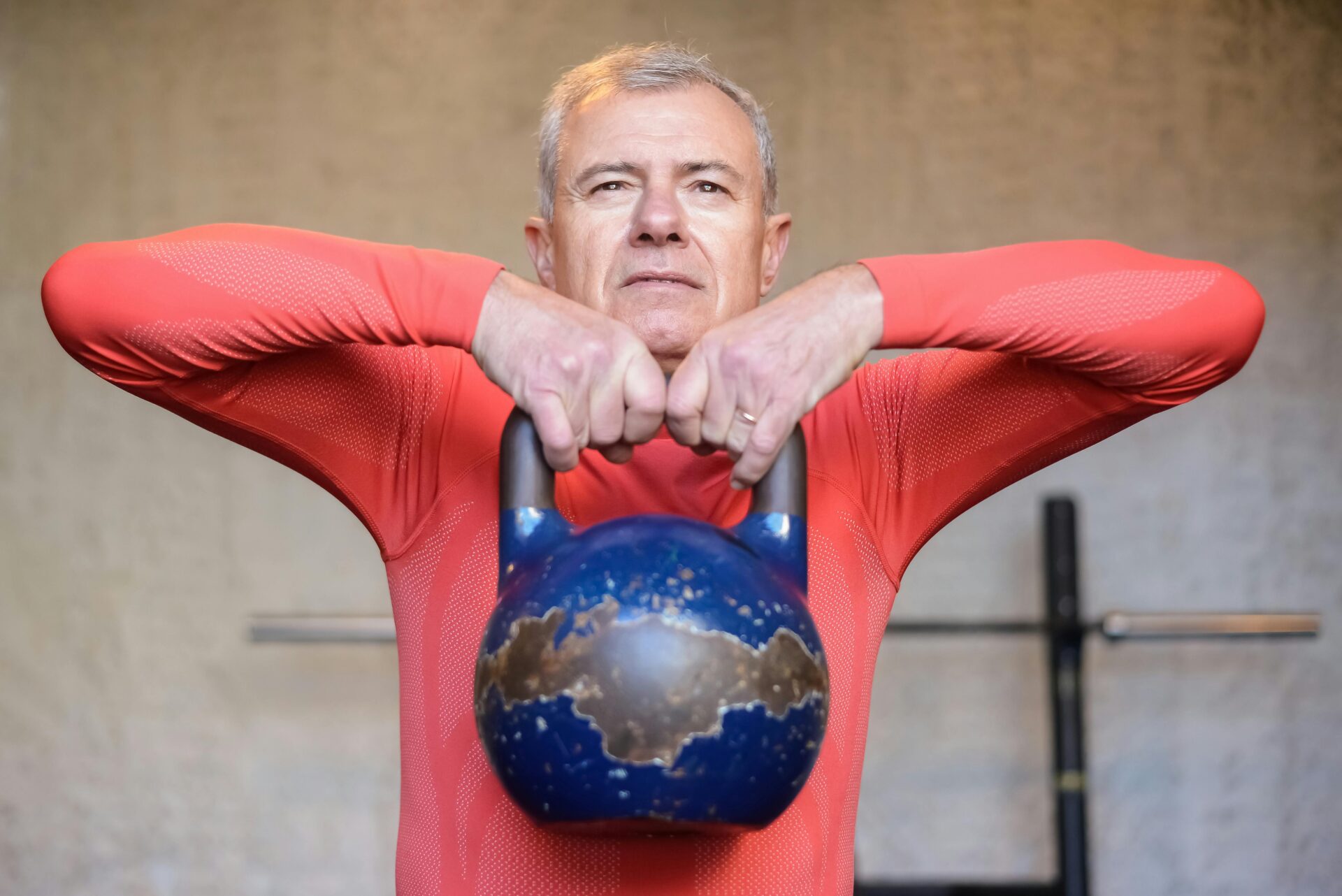
Finally, promoting diversity and representation in the fitness industry is essential. By showcasing individuals from all walks of life in marketing materials, leadership positions, and training programs, gyms can send a powerful message that fitness is for everyone. This includes showcasing diverse athletes in various sports, from those wearing men’s soccer cleats to those engaging in other activities. This shift in representation can help break down stereotypes and encourage greater participation among marginalized groups.
In conclusion, the journey toward inclusive fitness spaces has come a long way since the 1980s, but there is still work to be done. By addressing the remaining barriers and embracing innovative solutions, the fitness industry can continue to make strides toward creating gyms that are truly accessible to all. In doing so, we can move closer to a future where everyone, regardless of ability or background, has the opportunity to experience the physical, mental, and social benefits of fitness.